

Data Driven Dubai Real Estate Marketing Strategy to Attract Buyers in 2026
Overview
Introduction: The New Era of Real Estate Marketing in Dubai
Dubai’s real estate market is one of the most exciting in the world. Every day, thousands of buyers, investors, and renters start their property search online.

In fact, according to recent research, real estate professionals now put more than half of their marketing budgets into digital channels. Traditional methods like print ads and cold calls just don’t work as well anymore. Today, you need a solid marketing strategy of real estate to stand out from the crowd.
The digital landscape offers powerful tools to connect with buyers. From real estate website templates that make your listings look professional to social media marketing in real estate that builds trust and engagement, the options are endless. You can even create a real estate builder website that showcases your projects in an immersive way.
This guide walks you through a step-by-step framework to build a high-performance marketing plan. You will learn how to use the latest online tools, proven tactics, and smart data to reach the right buyers at the right time. For more hands-on tips, check out these proven real estate marketing methods in Dubai.
Whether you are a developer, agent, or investor, these strategies will help you grow your business in 2026 and beyond.
Ready to take your real estate marketing to the next level? Contact Ayaz Salman for a free consultation to get personalized advice for your property goals.
Understanding Dubai’s Real Estate Marketing Landscape
To build a powerful marketing strategy of real estate in Dubai, you first need to understand how the market has changed. The way people find and buy property today looks nothing like it did just a few years ago. Almost everyone starts their search on a phone or tablet. In fact, most real estate professionals now spend over half of their marketing budgets online, as shown in the Digital Marketing For Real Estate Agents In 2026 report.

This shift means you must focus on mobile-friendly tools. Your real estate website templates need to load fast and look great on small screens. If you are a developer, a real estate builder website can showcase your projects with virtual tours and up-to-date inventory. But a website alone is not enough. Buyers spend hours on social media, so social media marketing in real estate has become a must. Platforms like Instagram, TikTok, and WhatsApp are where buyers get inspired and ask questions. To learn more about using these channels effectively, check out this guide on social media marketing for Dubai real estate.
Local rules and cultural habits also shape your plan. Dubai has a mix of nationalities, and each group uses different channels. For example, WhatsApp is huge for direct communication, while TikTok draws younger buyers. Understanding these preferences helps you target the right audience. According to the Real Estate Marketing Strategies for 2026 guide, using a mix of local SEO, paid ads, and social content works best in this market.
Another key trend is the rise of visual content. Virtual tours and drone footage have become standard because buyers want to preview properties anytime. The virtual tour market in the UAE is growing fast, and 3D walkthroughs help listings stand out. When you combine these visuals with a smart marketing strategy of real estate, you give buyers the information they need to take the next step.
Once you understand the landscape, you can choose the right tactics for your goals. In the next section, we will break down the specific steps to build a plan that gets results.
Building a Data-Driven Marketing Strategy
Now let’s dive into the specific steps. The most successful real estate businesses in Dubai build their marketing strategy of real estate on data, not guesswork.
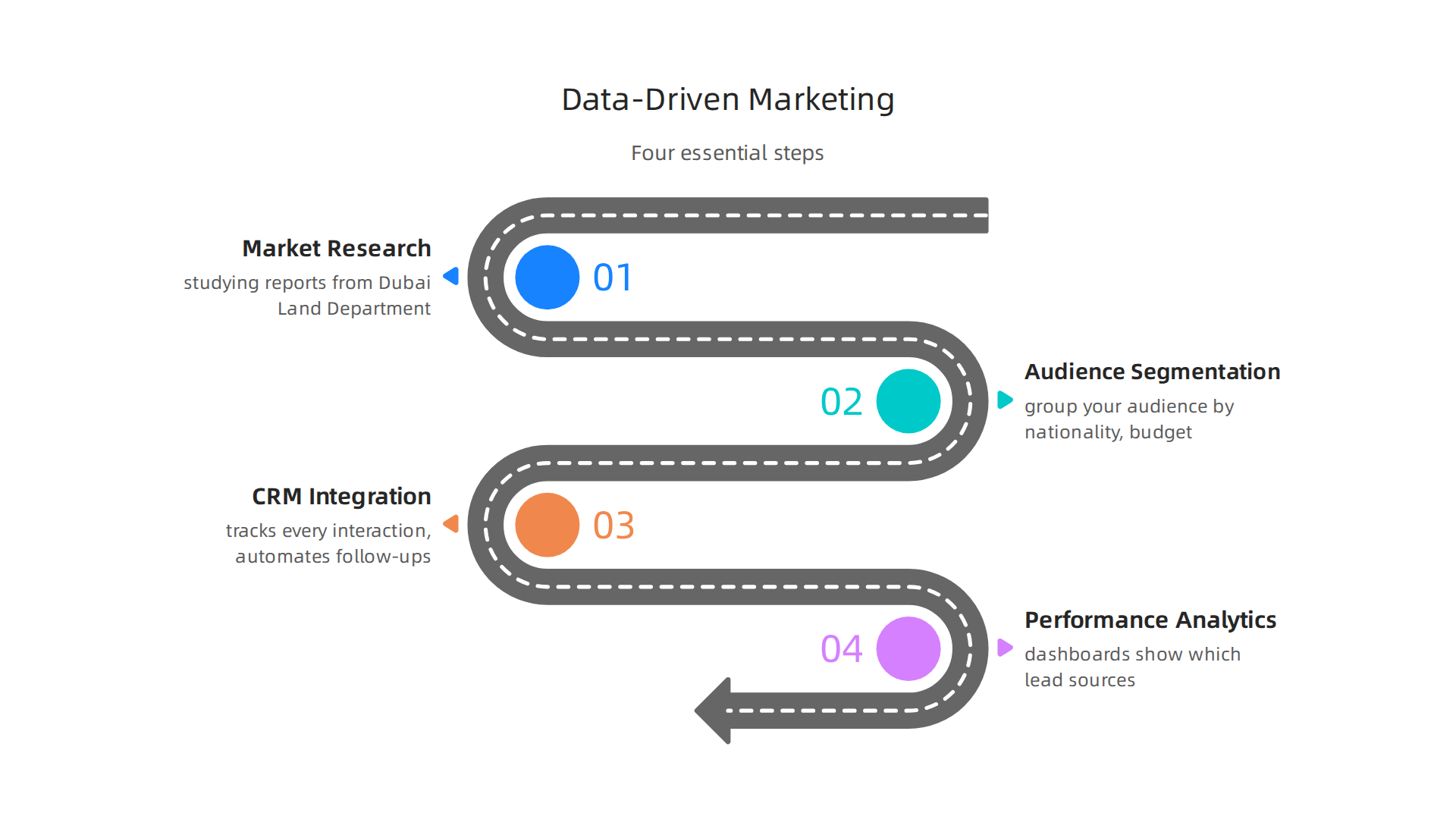
They use facts and numbers to decide where to spend money, who to target, and what messages work best. A data-driven approach helps you avoid wasting time on ads that do not convert and focus on what actually brings buyers to your door.

Start with solid market research. You need to know current prices, inventory levels, and buyer demand in different areas. This means studying reports from the Dubai Land Department and local market analysts. Research helps you spot trends early, like which neighborhoods are growing in popularity or which property types are selling fastest.
Audience segmentation is the next step. Not all buyers are the same. Some are first-time buyers looking for affordable apartments. Others are investors hunting for off-plan projects with high returns. Some are families needing villas near good schools. You can group your audience by nationality, budget, property type, and buying stage. Then you create personalized messages for each group. This makes your ads more relevant and your follow-ups more effective.
CRM integration is where the magic happens. A CRM (customer relationship management) system stores all your leads, tracks every interaction, and automates follow-ups. Top agencies now use CRM tools with AI features that score leads by their likelihood to buy. According to the Real Estate CRM in 2026: Top Platforms That Drive Sales Grow article, AI-driven lead routing and instant follow-ups have become baseline requirements for staying competitive. Without a good CRM, you risk losing leads to faster agents.
Performance analytics closes the loop. Set up dashboards that show which lead sources produce the most deals. Is it Instagram, WhatsApp, email, or property portals? Check these numbers weekly. If one channel is underperforming, shift your budget to the one that works. Real-time data lets you adjust campaigns on the fly, not wait until the end of the month.
A data-driven marketing strategy of real estate helps you make smarter decisions and get better returns on every dollar spent. For a deeper look at current market trends, check out this data-driven guide for Dubai property investors. It walks you through the key numbers you need to know in 2026.
If you want personalized advice on building a data-driven plan for your property goals, reach out for a FREE Dubai Real Estate Consultation. Ayaz Salman can help you turn data into action.
Essential Online Tools for Lead Generation
Once you have a data-driven plan, you need the right tools to turn that plan into real leads. The best marketing strategy of real estate combines smart thinking with software that does the heavy lifting. Let’s look at the essential online tools that top Dubai agents use in 2026 to fill their pipeline with quality buyers.
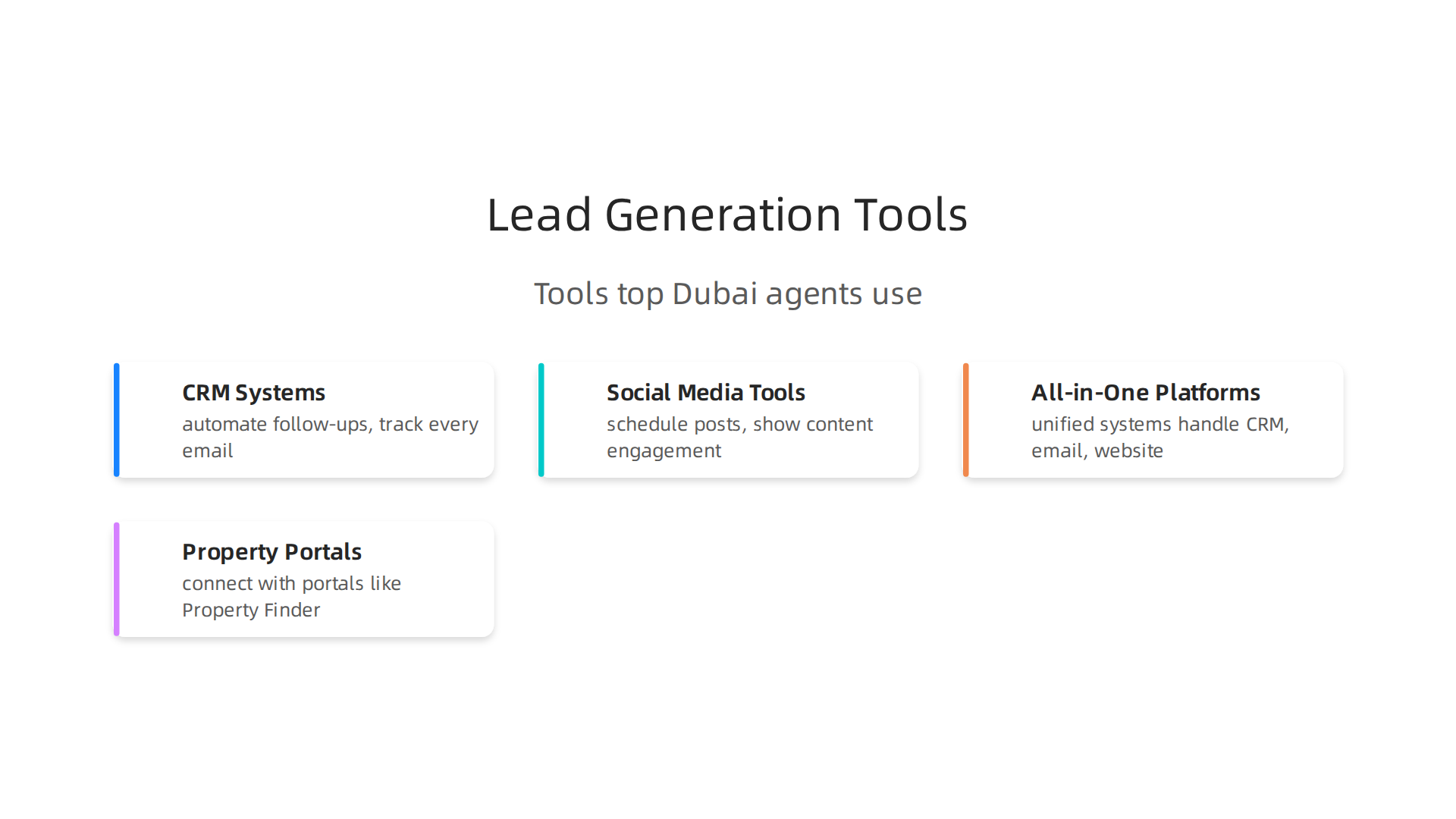
CRM systems are the backbone of lead generation. A good CRM does more than store names and phone numbers. It automates follow-ups, tracks every email and call, and scores leads based on how likely they are to buy. For a detailed look at the best options available, check out this comparison of the best real estate CRMs of 2026 from Forbes. These tools send instant replies when someone fills out a form, schedule reminders for agents, and even predict which deals will close. Without a CRM, you are basically flying blind.
Social media management tools keep your brand visible. Posting consistently on Instagram, Facebook, and LinkedIn takes time. Tools like Buffer, Hootsuite, or Later let you schedule posts weeks in advance.
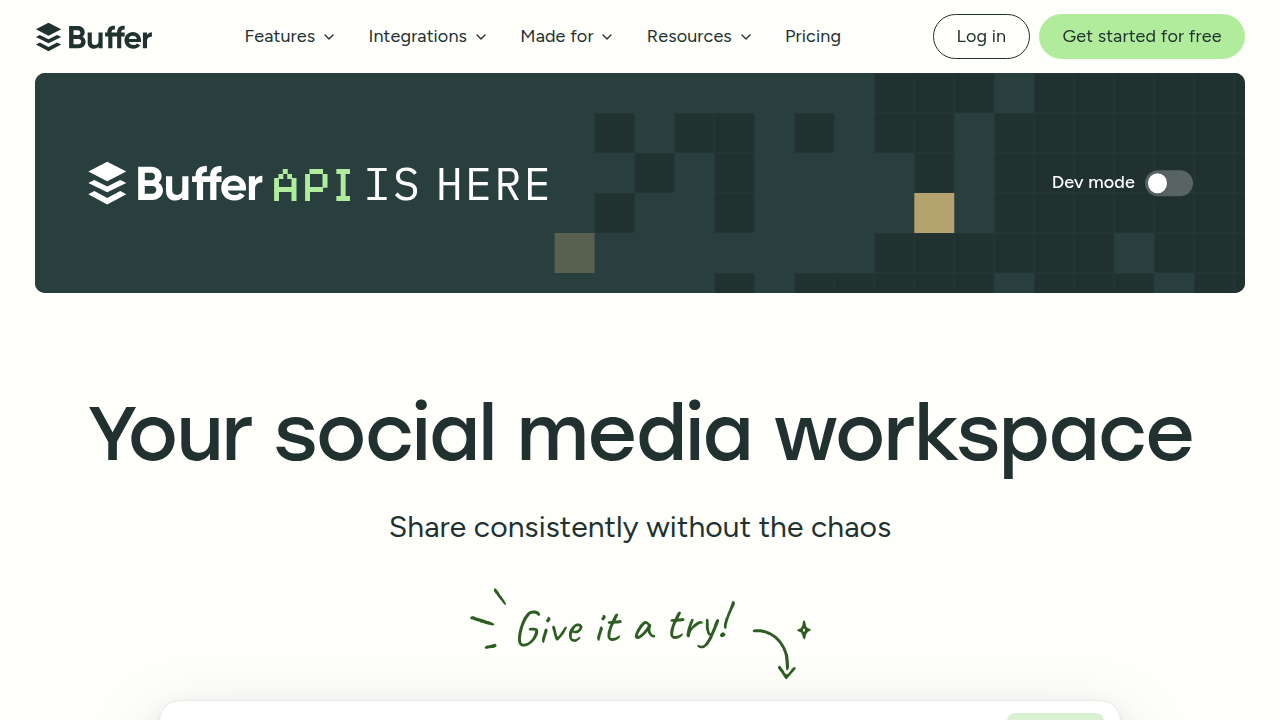
They also show you which content gets the most engagement. This is a key part of social media marketing in real estate. You can repurpose property videos, market updates, and client testimonials without logging in every day. For more tactics that actually work in Dubai, read this guide on social media marketing for Dubai real estate 2026 tactics. It covers specific platforms, ad types, and content ideas that attract buyers in the current market.
All-in-one platforms combine multiple functions into one place. Instead of juggling five different subscriptions, many agencies now use unified platforms that handle CRM, email marketing, website hosting, and even property listings. These integrated systems give you a single dashboard where you can see every lead, every campaign, and every deal. They also support real estate website templates so you can launch a professional site fast. If you are building a team or scaling up, an all-in-one platform reduces overhead and simplifies training. For help choosing a partner to set this up, read about how to choose the best digital marketing agency in Dubai for real estate success.
What about property portals and IDX integrations? Many lead generation tools connect directly with portals like Property Finder and Bayut.
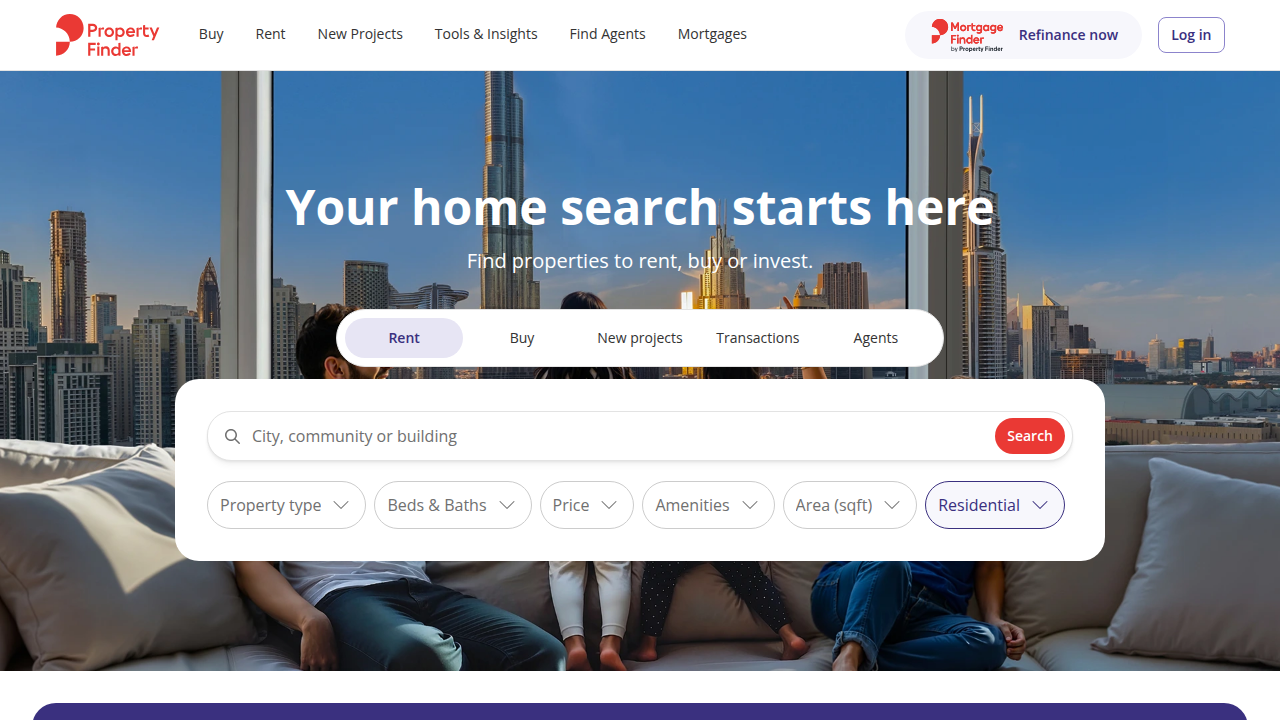
When a buyer inquiry comes in, it flows straight into your CRM. That speed matters. A fast reply can make the difference between converting a lead and losing it to another agent.
Using the right online tools turns your marketing strategy of real estate into a smooth, repeatable process. They save you time, keep you organized, and help you capture more leads without burning out. Start by picking one or two tools that match your current volume, then add more as you grow.
Content Marketing and SEO for Real Estate
Having the right tools is only half the battle. You also need to fuel those tools with content that people actually want to read and share.
Content marketing and SEO work together to bring buyers to you instead of you chasing them.
High quality content builds trust and improves search rankings. When someone searches for "best apartments in Dubai Marina" or "Dubai property investment 2026 trends," your content can be the first thing they see. This is a core part of any good marketing strategy of real estate. It puts you in front of buyers when they are actively researching.
What kind of content works best? Think neighborhood guides, market updates, buying tips, and property comparison articles. These pieces show your expertise and help people make decisions. For a complete roadmap, check out this detailed real estate content marketing strategy guide that covers keyword research, content types, and distribution.
Local SEO is your secret weapon for getting found. Most Dubai property searches include a location name. People type "villas for sale in Emirates Hills" or "apartments in JLT." You need to optimize for these local terms.
Start by claiming and filling out your Google Business Profile completely. Add your exact address, service areas, phone number, and business hours. Post regular updates and photos. Encourage happy clients to leave reviews. This signals to Google that you are a real, active business serving a specific area.
Also make sure your website includes location keywords naturally. Instead of just saying "luxury apartments," say "luxury apartments in Dubai Marina with sea views." For more hands on tactics, read these proven real estate marketing methods for Dubai 2026 growth that cover local SEO in detail.
Regular content updates keep your site fresh. Google rewards websites that publish new content often. A blog with weekly posts about market trends, new project launches, and buyer tips will rank higher than a static site that never changes.
Aim to publish at least one new piece per week. It does not have to be long. Even a short market update or a video walkthrough counts. Each new page gives you another chance to appear in search results.
The combination of helpful content and smart SEO turns your website into a lead generation machine. It takes time, but the results compound over months and years.
Need personalized guidance for your Dubai property journey? Whether you are buying, selling, or investing, connect with Ayaz Salman for a free consultation. He can help you understand the market and create a plan that fits your goals.
Paid Advertising Tactics for Property Professionals
Content marketing and SEO bring in steady traffic over time, but sometimes you need leads fast. That is where paid advertising steps in. Paid ads put your properties in front of people who are ready to buy right now.
Pay-per-click (PPC) campaigns on Google and social media drive targeted traffic quickly. When someone searches for "apartments for sale in Dubai Marina," a well-placed Google ad can put you at the top of the results instantly. The same works on Facebook and Instagram. You can target people based on location, income, interests, and even recent behavior like visiting property sites. Neil Patel explains that keeping your ad message simple and clear is key. Your job is to state what you offer and highlight your best features. For a deeper look, read his full guide on real estate marketing PPC tactics.
Retargeting ads keep your properties top-of-mind for visitors who did not convert the first time. You know how it goes. Someone browses your listing for a villa in Emirates Hills, then leaves without calling. Retargeting shows them ads for that same villa as they scroll through Facebook or read news online. It reminds them you are still there. This second touch often turns a maybe into a yes.
Budget allocation and A/B testing are essential for optimizing your ad spend. You do not need a huge budget. Start small with $10 to $20 per day on one or two platforms. Test different images, headlines, and calls to action. See which combination gets the most clicks and leads. Then put more money into the winner. This applies across channels. Paid ads also work well with social media. For a full set of tips on how to use social ads alongside organic posts, check out this guide on social media marketing for Dubai real estate 2026.
Paid advertising is not a replacement for content and SEO. It is a booster. Use it to promote your best listings, new projects, or seasonal campaigns. When you combine paid ads with strong organic content, your overall marketing strategy of real estate becomes much more powerful.
Measuring ROI and Scaling Your Marketing
You have built content, optimized for SEO, run paid ads, and engaged on social media. But how do you know if your combined efforts are actually working? That is where measuring ROI comes in. Without data, you are guessing. With data, you can make smart decisions that grow your business.
Start by defining the key performance indicators (KPIs) that matter most. The numbers you track should answer one question: is this channel bringing in leads and sales at a reasonable cost? The most useful KPIs for any marketing strategy of real estate are cost per lead, conversion rate, and customer acquisition cost. Cost per lead tells you how much you spend to get one inquiry. Conversion rate shows how many of those inquiries turn into actual buyers or tenants. Customer acquisition cost adds up all the marketing dollars spent to close a single deal. These three numbers give you a clear picture of what is working and what is not.
Use analytics dashboards to monitor your campaigns in real time. Google Analytics, social media insights, and platform-specific tools like Facebook Ads Manager or your CRM all provide dashboards where you can see performance at a glance.

Check them weekly. Look for trends. If one channel gives you a low cost per lead and a high conversion rate, that is your winner. If another channel spends a lot but delivers little, cut it or test a new approach. The best real estate professionals base every decision on data. As the 2026 guide on what real estate marketing actually works emphasizes, consistency and clear positioning matter more than chasing every new trend.
Scaling means doubling down on what works and automating the rest. Once you identify your best performing channel, put more budget and effort into it. If email marketing gives you a high conversion rate, increase your send frequency and build more sequences. If paid ads on Instagram drive the most qualified leads, raise your daily spend on that campaign. At the same time, automate repetitive tasks. Use scheduling tools for social media posts, automated email workflows for lead nurturing, and reporting dashboards that update themselves. Automation frees up your time to focus on high-value activities like client meetings and strategy.
For a deeper look at proven tactics that support growth, check out these proven real estate marketing methods for 2026.
When you measure and scale the right way, your marketing becomes a predictable engine. You spend less on what does not work and invest more in what does. That leads to steady growth without wasted time or money.
If you want personalized help building a data-driven strategy or optimizing your current campaigns, you can connect with an expert. Buying, selling, renting, or investing in Dubai? Connect with Ayaz Salman for FREE Dubai Real Estate Consultation.
Future Trends: AI, Automation, and Personalization
Looking ahead, the tools that will define the next phase of real estate marketing are already here. AI, automation, and personalization are changing how agents connect with buyers and sellers. If you want your marketing strategy of real estate to stay competitive, these three trends need to be part of your plan.
AI-powered chatbots and virtual assistants now handle initial buyer inquiries 24/7. Instead of missing a lead because you were asleep or in a meeting, an AI assistant can answer questions, schedule showings, and collect contact information instantly. This keeps prospects engaged and moves them into your pipeline without any delay. Many of the best platforms are already integrating these smart helpers. Check out the list of best advertising platforms for real estate agents to see which ones include AI features.
Automation tools personalize email sequences and follow-ups based on user behavior. For example, if a visitor clicks on a specific property listing on your site, the automation system can send them an email with similar options the next day. If someone downloads a buyer guide but doesn’t sign up for a tour, they get a different series of messages. This kind of behavior-based follow-up feels personal and relevant, which boosts your conversion rates. You can even use automation to create tailored real estate website templates that highlight the types of properties each visitor prefers.
Predictive analytics help you identify hot leads and optimize pricing strategies. By analyzing past data, machine learning models can score your leads based on how likely they are to buy. You focus your time on the people most ready to close. Predictive tools also suggest the best asking price for a listing by comparing recent sales and current demand. This takes the guesswork out of pricing and helps you sell faster.
These technologies are not just for big agencies. Any agent or firm can start using them today to work smarter. To see how these trends fit into a full marketing plan, read more about how to choose the best digital marketing agency in Dubai that specializes in AI-driven strategies.
Common Mistakes to Avoid in Real Estate Marketing
Even experienced agents fall into traps that hurt their results. Let’s look at three common ones so you can avoid them.
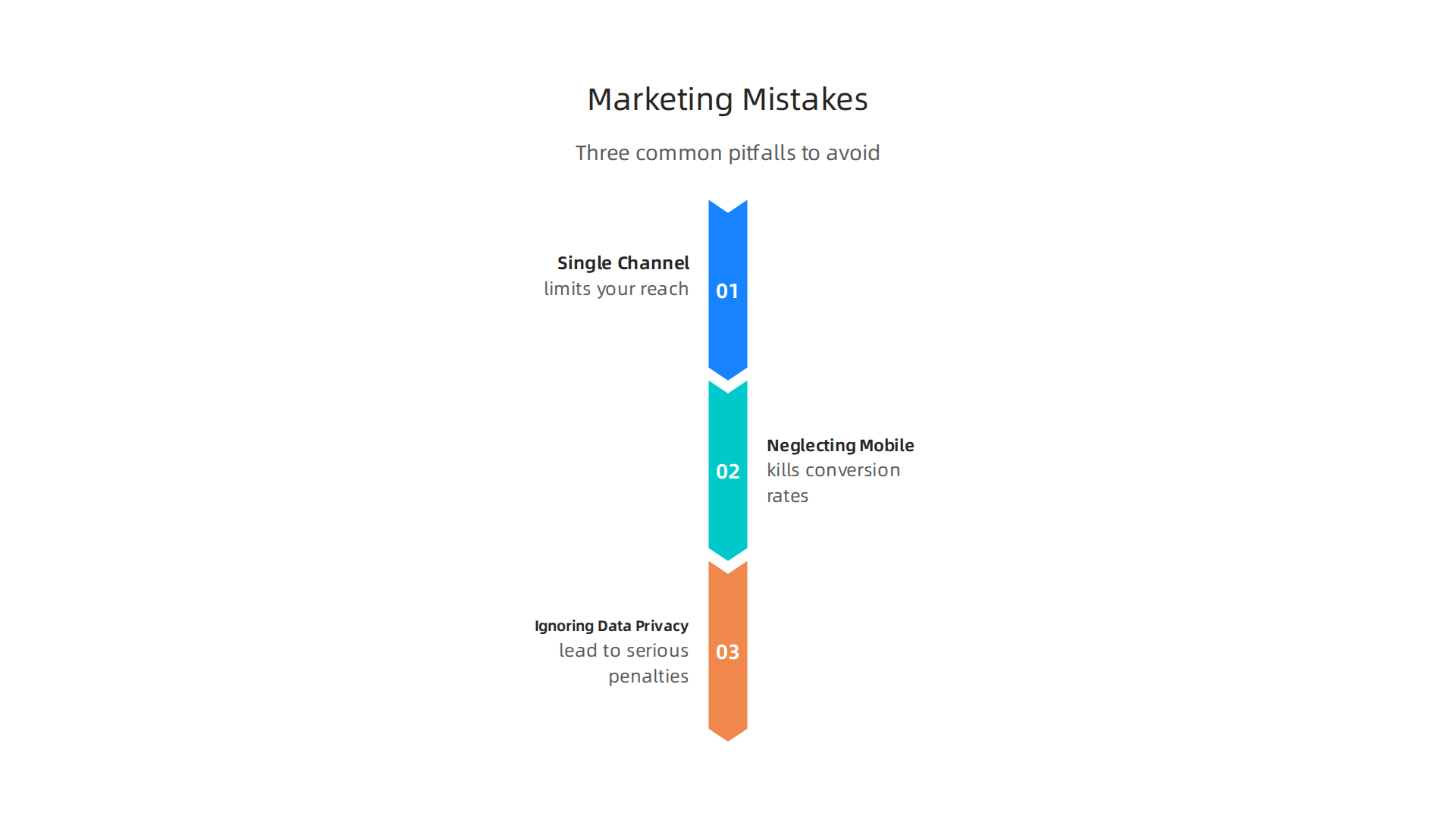
Relying too much on one channel limits your reach. If you put all your effort into Instagram alone, you miss buyers who prefer email, search engines, or offline referrals. A balanced approach works better. Spread your efforts across multiple platforms using a solid plan. Many agents make this mistake without realizing it. Check out this list of Marketing Mistakes Agents Don’t Know They’re Making to see if you are guilty.
Neglecting mobile optimization kills conversion rates. Most people browse properties on their phones. If your website loads slowly or looks messy on a small screen, visitors leave quickly. Make sure your real estate website templates work perfectly on mobile devices. This simple fix can double your leads.
Ignoring data privacy rules can lead to serious penalties. Regulations like GDPR in Europe and Dubai’s data protection law require you to handle personal information carefully. Always get permission before sending emails and keep client data secure. Breaking these rules costs money and trust.
A strong marketing strategy of real estate avoids these pitfalls. If you need expert guidance tailored to the Dubai market, get a FREE Dubai Real Estate Consultation with Ayaz Salman today.
Summary
This guide explains how to build a high-performance real estate marketing strategy for Dubai by focusing on digital-first, data-driven tactics. It covers market trends, audience segmentation, CRM and analytics, and the core online tools agents and developers use to capture and convert leads. You will learn how to combine content marketing and local SEO with paid ads and retargeting to get faster results, plus how to measure cost per lead, conversion rates, and customer acquisition cost. The article also outlines practical steps for choosing platforms, automating follow-ups, and using AI to score leads and personalize outreach. It highlights mobile optimization, visual assets like virtual tours, and the importance of multi-channel campaigns to avoid over-reliance on any single source. Finally, it points out common mistakes to avoid and suggests where to focus budget and effort to scale effectively in 2026 Dubai market conditions.