
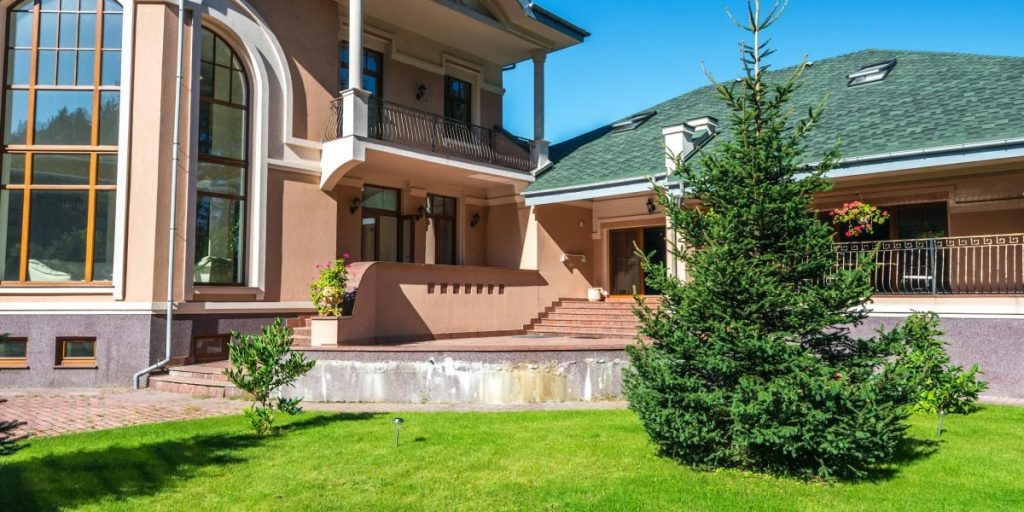
Long Term Real Estate Investment in Dubai Your 2026 Strategy for Steady Growth
Overview
Introduction: Why Long-Term Real Estate Investment in Dubai Remains a Top Wealth Strategy
Thinking about where to put your money for the long haul can feel overwhelming.

Stocks go up and down. Bonds pay almost nothing. And every other week, someone tells you about a "can’t miss" opportunity that sounds too good to be true.
Here is the thing. The best investments long-term share one thing in common. They hold their value through ups and downs. They generate steady income. And they sit in markets with real, lasting demand.
Dubai real estate checks all those boxes.
The numbers tell a clear story. In 2025, residential property prices grew 9.81% year on year according to the Dubai Data and Statistics Establishment. And villa prices jumped 14.83% during the same period. That kind of growth beats most traditional investment options hands down.
But 2026 brings even more reasons to pay attention. New regulations are making the market safer for buyers. The Expo City legacy continues to draw businesses and talent. And with more expats moving in every month, rental demand stays strong.
So what are the best investments for long-term wealth right now? Many smart investors are turning to passive income real estate investments that offer both capital growth and monthly returns. The combination is powerful.
Of course, you cannot just throw money at any property and expect it to work. You need the right strategy. You need to know which areas are growing. And you need to buy at the right price.
That is exactly what this guide covers. No fluff. No hype. Just practical, evidence-based insights to help you make smart moves in the Dubai market.
Whether you are a first-time buyer, a seasoned investor, or a landlord looking to grow your portfolio, the information here will help you cut through the noise. And if you want personalized advice, you can get a free consultation with Ayaz Salman by clicking below.
FREE Dubai Real Estate Consultation
Understanding Dubai’s Long-Term Real Estate Cycle: Past, Present, and Future
Every market has ups and downs. Dubai is no different. But here is what separates smart investors from everyone else. They study the cycle. They learn from history. And they make moves when the timing feels right.

Dubai’s property market has seen several distinct phases over the past two decades. There were boom years when prices shot up fast. There were corrections that tested everyone’s nerves. And there were recovery periods that rewarded those who stayed patient.
What drives these shifts? A mix of global economic trends, oil price movements, and government policy changes. When the world economy slows, Dubai feels it. When oil prices drop, investor confidence can waver. But when the government introduces buyer-friendly regulations or new residency visas, demand gets a boost.
The present cycle is a fascinating one. After the post-pandemic boom, the market entered a stabilization phase by 2026. According to the Dubai Data and Statistics Establishment, residential property prices grew 9.81% in 2025, with villa prices jumping 14.83%. Those are strong numbers, but the pace is more measured than the wild spikes of earlier cycles.
What does that mean for you? It means we are in a period of moderate, sustainable growth. The days of 50% annual jumps are behind us. Instead, we see steady appreciation backed by real demand.
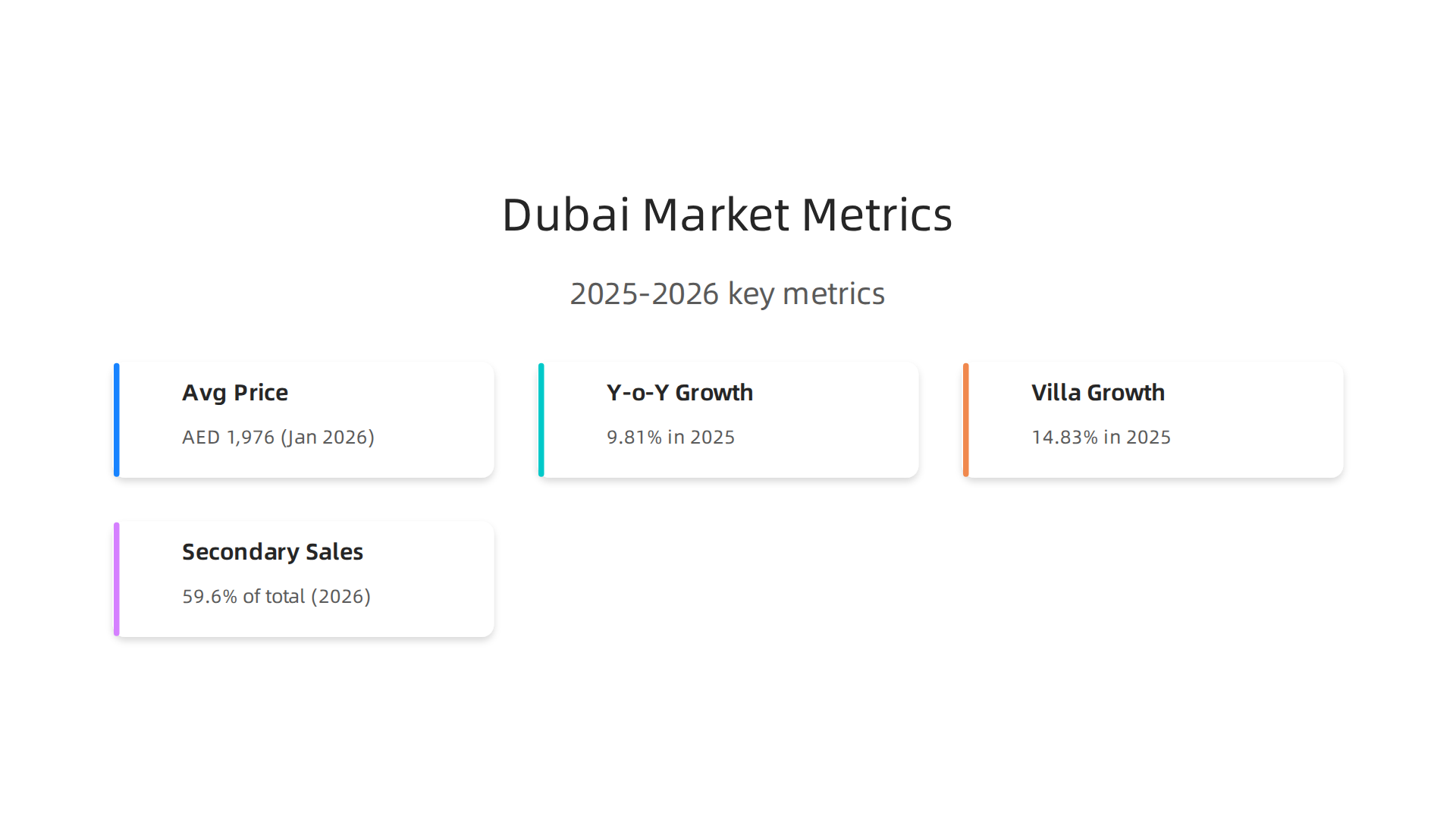
Here is a quick look at where the market stands right now.
| Metric | Data Point |
|---|---|
| Average price per square foot (January 2026) | AED 1,976 |
| Year-on-year price growth (2025) | 9.81% |
| Villa price growth (2025) | 14.83% |
| Secondary/ready transactions (2026) | 59.6% of total |
These numbers, sourced from the Dubai Land Department and DXB Analytics, show a healthy market.
Over half of all sales are in ready properties, which means people are actually living in and using these homes. That is a sign of real demand, not speculation.
Looking ahead, experts expect continued moderate growth through 2026 and beyond. New regulations are making the market safer. More expats are moving in. And projects launched during the boom years are now completing, adding quality supply.
So how do you use this cycle to find the best investments long-term? You watch for entry points. You buy when the market is stable but still growing. And you hold through the smaller dips that will come.
Want to talk through your timing with someone who knows the market inside out? A free consultation can help you spot the right moment to act.
FREE Dubai Real Estate Consultation
Evaluating the Best Investment Types for Long-Term Growth: Off-Plan vs. Secondary vs. Commercial
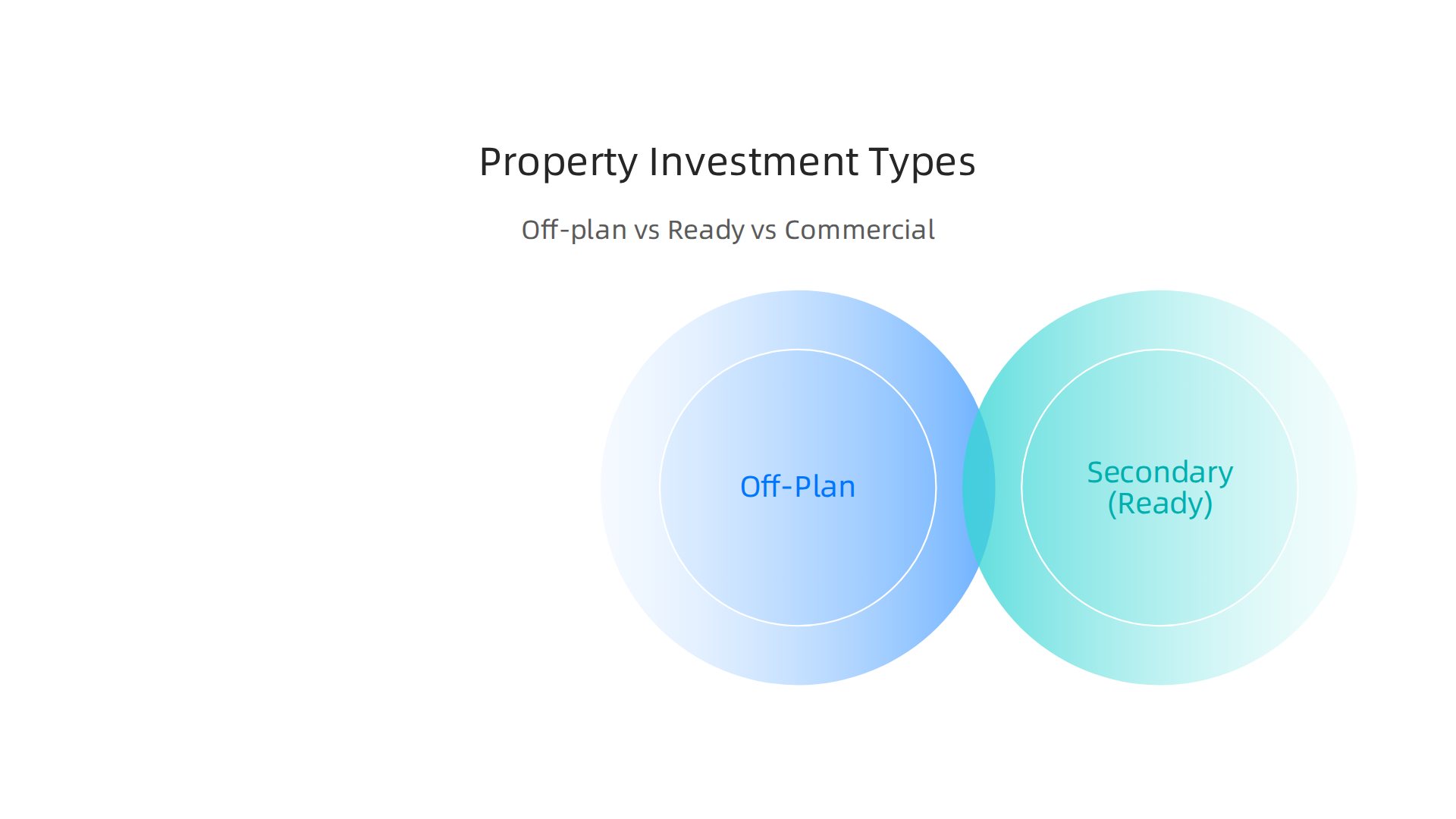
So you know the market cycle is in your favor. Now comes the big question. Which type of property should you put your money into? Each option has its own strengths and risks. The key is matching the investment type with your personal goals for the best investments long-term.
Let’s break down three main paths: off-plan, secondary (ready), and commercial real estate.
Off-Plan Investments: Betting on Future Value
Buying off-plan means you purchase a property that hasn’t been built yet. The big upside? You lock in today’s price and pay in installments over the construction period. That gives you time to build equity without a huge upfront payment. If the area appreciates, your profit can be significant.
But here is the catch. There is always delivery risk. Projects can get delayed. The final product might not match the brochure. And if the market dips before handover, your paper gains can vanish. According to the Dubai Property ROI 2026 analysis, most off-plan investors who bought in 2026 can expect a 3–5% net yield and an 8–12% IRR over five years. That is solid, but not a guaranteed home run.
Off-plan works best if you have patience and can stomach uncertainty. Want to avoid common pitfalls? Read this guide on 10 UAE property purchase red flags to watch before buying in 2026 before you sign anything.
Secondary (Ready) Properties: Cash Flow from Day One
A ready property is one you can move into or rent out immediately. That means instant rental income. And income is the backbone of passive income real estate investments.
Dubai’s secondary market is booming. In 2026, ready properties account for nearly 60% of all transactions. That signals real demand. Rental yields in areas like JVC can hit 8.5% gross, while Dubai Marina averages 7%. Even premium villas in Palm Jumeirah offer around 4.5%. After costs, your net yield typically lands between 3% and 5%.
The advantage is clear: you get a tangible asset you can see, touch, and rent out. You also avoid construction delays. The downside? You need more cash upfront, and the capital appreciation is usually slower than off-plan.
Commercial Real Estate: Higher Yields, Higher Complexity
Thinking bigger? Commercial properties like offices, shops, and warehouses often offer yields above 8%. But they also require larger capital and a deeper understanding of the market. Lease structures are different. Vacancy risks can be higher. And you need to know how to manage business tenants.
This path is best for experienced investors with deep pockets. It is not the first step for most people asking what are the best investments for a starter portfolio.
Which One Fits Your Long-Term Plan?
Here is the honest truth. There is no single answer. The best investments for long term depend on your timeline, risk tolerance, and cash flow needs. Off-plan works for growth seekers. Secondary works for income seekers. Commercial works for seasoned pros.
Not sure which path suits you? That is exactly why a personalized chat helps. Book a free consultation with Ayaz and get clear on your next move.
Top Dubai Communities for Long-Term Real Estate Investments: Data-Driven Analysis
You now understand the investment types. But where exactly should you buy? Location is everything in real estate. And in Dubai, the right community can make or break your returns. Let’s look at the data to find the best investments for long term growth.
Established Communities: Stability and Proven Demand
If you want predictable cash flow and strong tenant demand, stick with mature freehold areas. These neighborhoods have track records that go back years.
Dubai Marina remains a top choice. It offers consistent rental demand from professionals and families. The average rental yield in Dubai sits at 6.68% as of April 2026, with apartments averaging 7.15%, according to the latest market insights from Engel & Völkers. In Business Bay, a studio apartment can earn you a 6.68% annual yield from an average purchase price of around $312,823, according to GuestReady.
Downtown Dubai gives you the prestige factor. Properties near Burj Khalifa rarely sit vacant. Capital appreciation here has been solid too. Dubai property prices have more than doubled over the last five years, reaching AED 1,683 per square foot by late 2025, as reported by IS Realty.
These areas suit investors asking what are best investments for safety and steady income. But they come with higher entry prices.
Emerging Communities: Growth Potential at Lower Cost
Want higher upside? Look at developing neighborhoods with strong infrastructure plans and lower purchase prices.
Jumeirah Village Circle (JVC) is a standout in 2026. Studio yields here can exceed 8.5%, according to the latest ROI analysis from Westgate Dubai. That is well above the city average. And prices are still reasonable compared to prime locations.
Dubai Silicon Oasis is another strong contender. Modeled net yields land around 6.7% for studios and 6.8% for one-bedroom apartments, based on Sands of Wealth data. This area attracts tech professionals and families, which keeps tenant demand high.
Dubai South offers huge growth runway. It sits near Al Maktoum International Airport and the Expo City site. Prices are lower today, but long-term appreciation potential is significant as the area develops.
Al Furjan is worth watching too. It offers villa and townhouse options at prices below the Palm or Emirates Hills. Rental demand is strong from mid-income families.
These emerging areas are often the best investments for long-term because you buy at a discount today and benefit from future growth.
Freehold Zones: Why Zone Performance Matters
Here is something many international investors miss. Not every area in Dubai allows foreign ownership. You must buy in a designated freehold zone.
The good news? Dubai has many freehold areas. The better news is that zone performance varies widely. A property in JVC performs differently than one in the same price range but in International City.
Understanding these differences is critical. You can read the detailed guide on 10 UAE property purchase red flags to watch before buying in 2026 to avoid common mistakes.
Which Community Wins for Long-Term Growth?
The data points to a clear pattern. For steady income, choose Dubai Marina, Downtown, or Business Bay. For growth with higher yield potential, JVC and Dubai Silicon Oasis lead the pack. For long-term appreciation at lower prices, Dubai South and Al Furjan deserve serious attention.
Dubai yields remain among the highest in the world as the GCC property surge rolls into 2026, according to Khaleej Times. That means opportunity is still wide open.
Not sure which community fits your budget and goals? That is exactly where expert advice makes the difference. Book a free consultation with Ayaz and get a personalized community match based on real data.
Navigating Legal and Regulatory Frameworks for Long-Term Investors
You have picked the community. You know the yields. Now comes the part that trips up many investors: the legal side. The good news is that Dubai has built a strong system to protect buyers. If you understand the rules, you can invest with confidence.
The Laws That Protect Your Money
Dubai’s real estate laws have evolved a lot in recent years. The main framework is Law No. 7 (also called the Real Property Law) which sets clear rules for ownership and transactions. The Real Estate Regulatory Authority (RERA) oversees everything. It makes sure developers, agents, and brokers follow the rules.
One of the most important protections is the escrow account system. Every off-plan project must put buyer payments into a regulated escrow account. That money can only be used for construction, not for other projects. This rule has stopped many expensive scams. The 2026 regulations have made these protections even stronger, with new measures for transparency and dispute resolution, according to the latest investor guide from GoDubai.
Freehold vs. Leasehold: What You Can Actually Buy
When people ask what are best investments, they often forget this key point. Not every area allows full foreign ownership.
- Freehold zones let you own the property and the land completely. You can sell, rent, or pass it to heirs. Most popular investment areas like Dubai Marina, Downtown, and JVC are freehold.
- Leasehold areas give you rights to use the property for a set time, usually 99 years. You do not own the land. Foreign investors typically stick to freehold zones.
Always check whether a property is in a freehold zone before you commit. Your best investments for long term will almost always be in freehold areas.
Recent 2025/2026 Rule Changes You Need to Know
Dubai is making big moves to attract serious investors. Here are the most important updates:
Visa rule change. As of April 2026, the Dubai Land Department removed the minimum property value of AED 750,000 for individual owners applying for a two-year investor residency visa. Now any property value qualifies, as reported by SAMANA Developers. That opens the door for smaller investments to lead to residency.
New unified property law. A new law now applies to the entire emirate, not just specific zones, according to Arthur Mackenzy. This law strengthens ownership rights and makes dispute resolution smoother.
Stronger seller rules. If you sell from overseas, new rules in 2026 require more documentation and verification. The goal is to stop fraud and protect both buyers and sellers.
These changes make Dubai an even safer place for passive income real estate investments. But you still need to work with professionals who know the latest rules. That is where expert guidance matters.
The legal side can feel overwhelming, especially if you are investing from abroad. To make sure you get it right, getting expert support is your smartest move.
Not sure which regulations apply to your situation? Book a free consultation with Ayaz and get personalized advice on legal requirements, visa options, and the safest way to buy.
Financing Your Long-Term Dubai Property Investment: Mortgage Options and Strategies
You understand the legal rules now. But here is the real question: How do you actually pay for your best investments long-term without draining your savings all at once?
The smartest investors do not buy with 100% cash. They use leverage. That means getting a mortgage and letting the property pay for itself over time.
Mortgages for Residents and Non-Residents
Good news: Dubai’s banks offer mortgages to both residents and non-residents. But the terms are different.
- Residents typically get access to lower interest rates and can borrow more. The standard rate in 2026 hovers around 4.5% to 5.5% for a fixed period.
- Non-residents can still get financing, but expect higher rates, usually 1% to 2% above resident rates. You will also need a higher down payment.
The 2026 regulatory changes from the Dubai Land Department have made the process more transparent, as covered in the updated investor rules from GoDubai. That means fewer surprises when you apply.
Down Payment Requirements
Here is the number you really care about: How much cash do I need upfront?
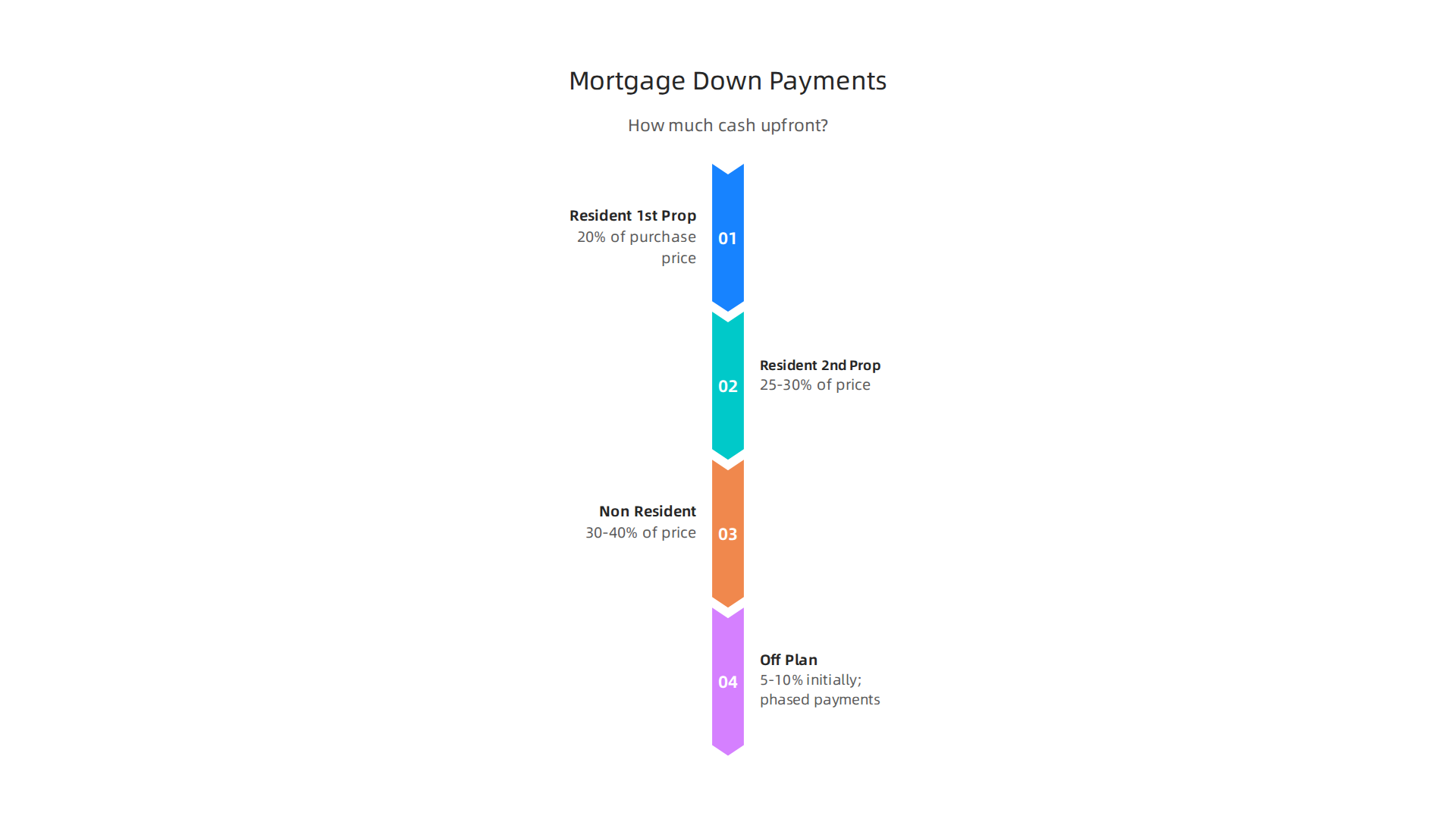
| Buyer Type | Typical Down Payment |
|---|---|
| Resident (first property) | 20% of purchase price |
| Resident (second property) | 25% to 30% |
| Non-resident | 30% to 40% |
| Off-plan property | Often 5% to 10% initially, then phased payments |
For expats looking at what are the best investments, the 20% to 30% down payment is a key factor in planning your capital allocation. You want to keep enough cash aside for fees, maintenance, and unexpected costs.
Using Leverage for Long-Term Growth
Here is the strategy that works: Buy a property with a mortgage, rent it out, and let the tenant cover your monthly payments. Over time, the property appreciates in value. You build equity without putting in more of your own money.
But leverage cuts both ways. If the market dips, your mortgage stays the same. That is why passive income real estate investments work best with stable financing. Lock in a fixed-rate mortgage if you can. It protects you from rate hikes.
Before you apply for financing, make sure you understand all the costs involved. A good starting point is to read our guide on common purchase red flags so you do not get caught off guard by hidden fees or bad mortgage terms.
How to Get the Best Mortgage Deal
Compare offers from at least three banks. Look at:
- Interest rate (fixed vs variable)
- Early repayment penalties
- Maximum loan tenure (usually 25 years for residents, 15 to 20 for non-residents)
- Processing fees
The best investments for long term are the ones where your financing is solid from day one. Do not rush this step.
Getting financing in Dubai can feel complex, especially if you are investing from overseas. But with the right guidance, it is completely manageable.
Need help finding the right mortgage for your situation? Book a free consultation with Ayaz and get personalized advice on financing options, down payment strategies, and how to structure your investment for long-term success.

Maximising Returns: Rental Yields and Capital Appreciation Over the Long Haul
So you have your financing sorted. Now comes the exciting part. Figuring out how much money your property will actually make.
Here is the truth about real estate: You make money two ways. First, through rental income. Second, through the property going up in value over time. The trick is finding the sweet spot between both.
Why Rental Yields in Dubai Are So Strong
Dubai stands out because its rental yields are among the highest in the world. We are talking gross rental yields of 5% to 9% depending on the area. Compare that to cities like London or Hong Kong where yields often sit below 3%.
In 2026, areas like JVC are delivering gross yields over 8.5%, while Dubai Marina averages around 7%, according to the latest market analysis. Even after you subtract costs like service charges and maintenance, net yields of 3% to 5% are realistic, as noted in the current yield report.
That is strong for a global city. And it makes Dubai one of the best investments for long term rental income.
Capital Appreciation: The Second Engine
Rental income pays your bills today. Capital appreciation builds your wealth tomorrow.
Dubai property values have been climbing steadily thanks to three big drivers:
- Massive infrastructure projects like new metro lines and Expo legacy developments
- Population growth as more professionals and families move here
- Economic diversification that reduces dependence on oil
Investors in prime areas are seeing annual capital appreciation of 7% to 12% , according to recent ROI analysis. When you combine that with rental income, you get a total return that is hard to beat.
How to Pick the Right Balance
Here is where you need to be smart. Some properties give high rental yields but slower appreciation. Others appreciate fast but pay lower rent.
For example:
- High yield areas like JVC and Dubai Sports City are great for monthly cash flow
- High appreciation areas like Downtown and Palm Jumeirah build equity faster
What is best for you depends on your goals. Are you looking for passive income real estate investments that pay you every month? Or do you want to sell in five years for a big profit?
The smartest investors mix both. They buy one property for cash flow and another for growth.
To understand this better, it helps to look at actual numbers. Check out the 1 BHK for sale in Dubai guide to see how unit size affects yield and appreciation in different neighborhoods.
The Real Bottom Line
Most Dubai investors buying in 2026 will see a 3% to 5% net yield and an 8% to 12% internal rate of return over five years, based on real case studies from the market.
That is impressive. But only if you pick the right property in the right location.
If you want to know what are the best investments for your specific budget and timeline, you do not have to figure it out alone.
Get a FREE Dubai Real Estate Consultation with Ayaz Salman and get personalized advice on which areas match your yield and appreciation goals.
Now you know what today looks like. But smart investors always ask one more question. Where is this market heading next? Because the best investments long term are the ones that still look good five or ten years from now.

Luckily, Dubai does not rely on luck. The government has laid out a clear roadmap to keep demand strong and property values climbing.
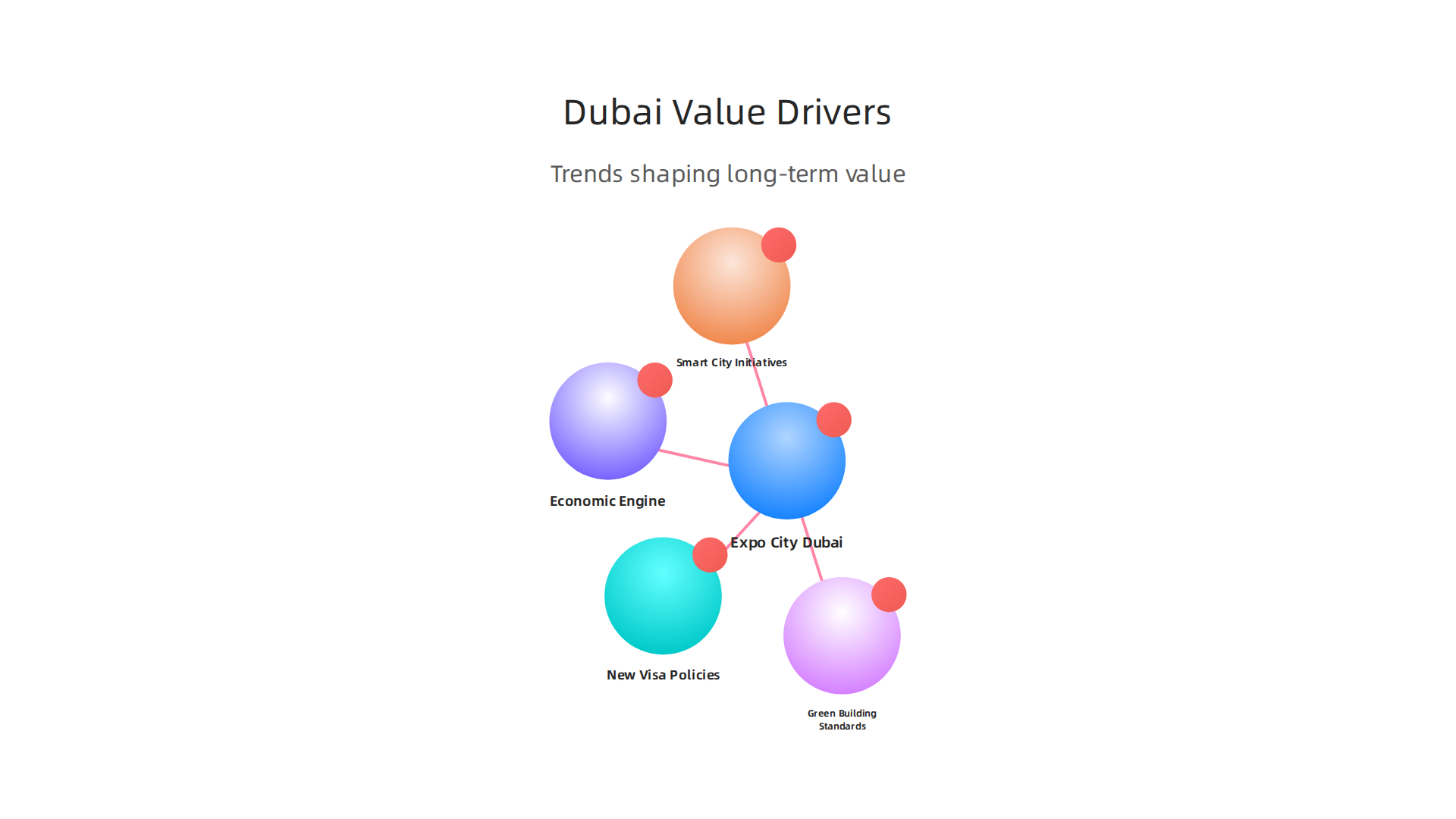
The Big Structural Drivers
Expo City Dubai is not a one-time event. The site is being turned into a permanent innovation hub attracting businesses and talent. This legacy will keep pushing demand for homes nearby for years.
New visa policies are a game changer. Golden visas, green visas, and freelance visas make it easier for professionals, retirees, and investors to call Dubai home. More people moving here means more renters and buyers. That supports rental yields and price growth.
Smart city initiatives like the Dubai 2040 Urban Master Plan are reshaping neighborhoods. New metro lines, bike lanes, and green spaces make areas more liveable. And liveable areas hold their value better.
Green Buildings, Better Values
Sustainability is no longer optional. New green building standards are raising construction quality. Properties with better energy ratings and eco-friendly features are starting to sell at a premium. Early adopters who buy green properties today could see extra appreciation down the road.
The Economic Engine Keeps Running
Dubai’s economy is firing on all cylinders. In 2025, total real estate transactions hit AED 554 billion, a 28% jump from the year before. At the same time, rental growth has stabilized into a healthy range. Tourism is booming, foreign direct investment keeps pouring in, and GDP growth stays positive.
These are not short-term blips. They are structural shifts built on decades of planning. When you combine strong demand, limited supply in prime areas, and high rental yields, the result is a market that keeps rewarding patient investors.
If you are still wondering what are the best investments for your personal situation, you do not have to guess. The best way to plan for the long run is to talk to someone who lives and breathes this market every day.
Get a FREE Dubai Real Estate Consultation with Ayaz Salman and find out which trends match your timeline and budget.
Risk Management and Diversification Strategies for Long-Term Real Estate Portfolios
Even the best investments long term need a solid plan for the bumps along the way. A smart long term investor does not just chase high returns. They also protect what they have built. Here is how you can manage risk while keeping your portfolio strong in Dubai.
Spread your bets across different areas and property types. Putting all your money into one neighborhood or one type of property is a big risk. If that area slows down, your whole portfolio feels it. Instead, look at a mix of off-plan and ready properties, apartments and villas, and popular areas with emerging communities. This is called diversification, and it helps smooth out your returns when the market shifts. This kind of approach is a key part of building a resilient Dubai property portfolio.
Currency risk is low, but interest rates and liquidity matter. The UAE dirham is pegged to the US dollar. That makes currency risk very low for investors using dollars, pounds, or euros. But you still need to keep an eye on interest rates. When rates go up, borrowing costs more and property prices can cool down. Also, make sure you are not over-leveraged. Having enough cash or easy to sell assets means you can hold through slower periods without being forced to sell at a bad time. Staying selective and focusing on quality locations where demand stays steady is the smartest move.
Use professional help to reduce the headaches of owning from afar. If you live outside Dubai, managing a rental property yourself is tough. Tenants move out. Repairs come up. Laws change. A professional property management company handles everything for you. They screen tenants, collect rent, fix issues, and keep you in compliance. That leaves you free to enjoy the returns without the daily stress. Before you buy, know exactly what risks to look for so you do not get caught off guard.
Building wealth over the long run is not about avoiding all risk. It is about managing it smartly. If you want a personalized risk management plan for your situation, a quick conversation can save you years of headaches.
Get your FREE Dubai Real Estate Consultation with Ayaz Salman and build a portfolio that balances growth with safety.
Summary
This guide explains why Dubai real estate remains one of the best investments for long-term wealth, combining steady capital appreciation, high rental yields, and improving regulatory protections. It walks through market cycles, compares off‑plan, ready and commercial options, and uses recent 2025–2026 data to show where demand and returns are strongest. You’ll learn which communities offer stable cash flow versus higher growth potential, how new laws and visa changes reduce risk, and practical financing rules for residents and non‑residents. The article also covers yield expectations, how to balance rental income with capital gains, and straightforward risk‑management tactics like diversification and professional property management. Overall, readers will finish with a clear framework to evaluate properties, structure financing, and choose neighbourhoods that match their long‑term goals.