
Dubai Property Market 2026 Data Driven Guide for Investors and Buyers
Overview
Introduction: Navigating the Dubai Real Estate Market in 2026
Thinking about buying or investing in the Dubai property market this year? You are not alone. The city’s real estate sector continues to attract global attention in 2026, with strong transaction volumes and steady price growth. But here is the challenge: finding accurate, up-to-date data is harder than it should be.
Everywhere you look, there are headlines, reports, and opinions. Some say the market is booming. Others warn of a slowdown. Sifting through all that noise to find what actually matters for your decision is exhausting.

Buyers, investors, and tenants all face the same problem. Information overload. Unreliable sources. And very little expert analysis that cuts through the confusion.
According to the Dubai Housing Market 2026 report, the market is moderating but remains supported by strong population growth and investor confidence. That is the kind of grounded insight you need.
This guide is built differently. It gives you data-driven insights and clear analysis to help you make informed decisions in 2026. No hype. No guesswork. Just practical information you can actually use.
Whether you are looking at residential towers, villa communities, or considering real estate property in Dubai for the first time, understanding the full picture matters. If you want to go deeper into the investment landscape, check out our Dubai property investment guide for 2026.
And if you are ready for personalized help, you can get a FREE Dubai Real Estate Consultation with Ayaz Salman, an expert who can answer your specific questions about buying, selling, renting, or investing in the market.
Let us start with the facts that matter most right now.
Dubai Property Market Overview: Key Metrics and Trends for 2026
Let us look at the numbers that define the Dubai property market in 2026. The data tells a clear story of a market that is still active and growing, but with some important shifts happening beneath the surface.
Strong Transaction Volumes
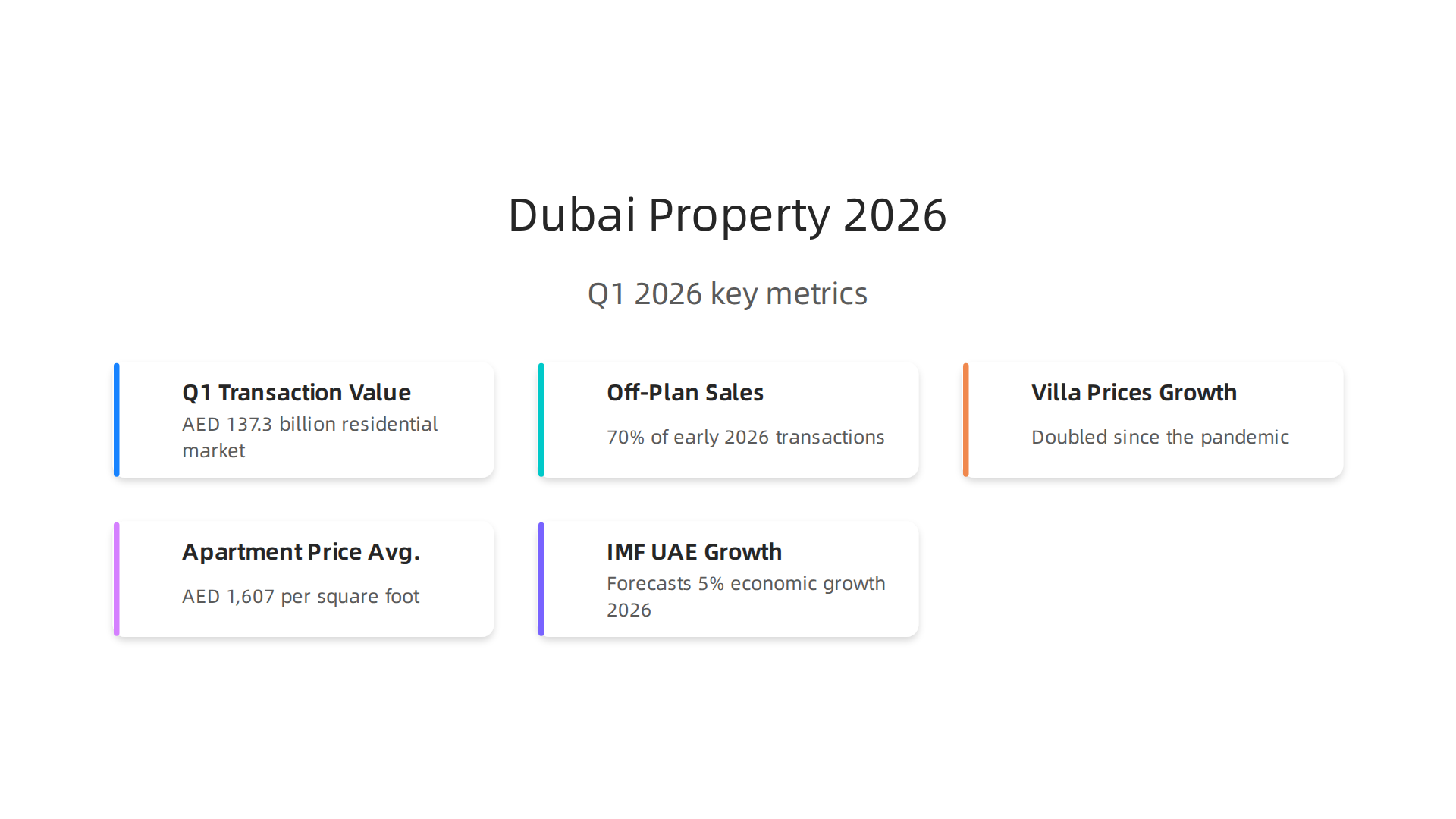
The Dubai property market started 2026 on solid ground. In the first quarter alone, the residential market recorded around AED 137.3 billion in total transaction value. That comes from a detailed review of the Dubai Real Estate Market in Q1 2026. While quarterly volumes eased a bit after a very strong end to 2025, prices stayed steady. Buyer confidence remained high.
Off plan sales are still the main driver. They made up about 70% of all transactions in early 2026. This shows that investors remain excited about new projects and future handovers.
In April 2026, the market saw a strong recovery. Transaction values jumped 20% from the previous month to AED 68.6 billion. A record 995 luxury deals above AED 10 million each helped push those numbers higher.
Price Trends Across Different Segments
Not all property types are moving at the same speed. Villa prices have been the big winner. Since the pandemic, average villa values have more than doubled. Apartments have also risen, but at a slower rate. In Q1 2026, apartment prices averaged around AED 1,607 per square foot.
Commercial real estate tells a different story. Demand for office and retail spaces has stabilized after several years of adjustment. This segment is finding its footing as more businesses set up in Dubai.
While the focus is on Dubai, the wider UAE market is also worth watching. Real estate in Abu Dhabi has shown steady performance, with its own growth patterns influenced by government spending and local demand.
Government Support Keeps Demand Strong
Long term visas and easier ownership rules continue to attract buyers from around the world. The Dubai government has made it simple for foreigners to buy property in designated areas. These policies keep the market attractive for global investors who want a stable place to put their money.
Economic growth also helps. The IMF forecasts UAE economic growth of about 5% in 2026. That is higher than the global average. More jobs, higher household wealth, and continued expansion in financial services and tourism all support housing demand.
What This Means for You
The Dubai property market in 2026 offers real opportunity, but you need the right data to make smart choices. Prices are still climbing in some segments while others offer room to negotiate.
If you want to understand whether a market correction might happen, check out our analysis of the Dubai property bubble risk in 2026. It gives you a balanced look at what could lie ahead.
Residential Market Trends: Villas, Apartments, and Off‑Plan
Now let us zoom into the residential side of the dubai property market. The big picture numbers gave you a sense of the overall activity. But if you are thinking of buying or investing, you need to know how different property types are performing. The story varies a lot depending on whether you are looking at a villa, an apartment, or an off‑plan unit.
Villa Market: Limited Supply Pushes Prices Higher
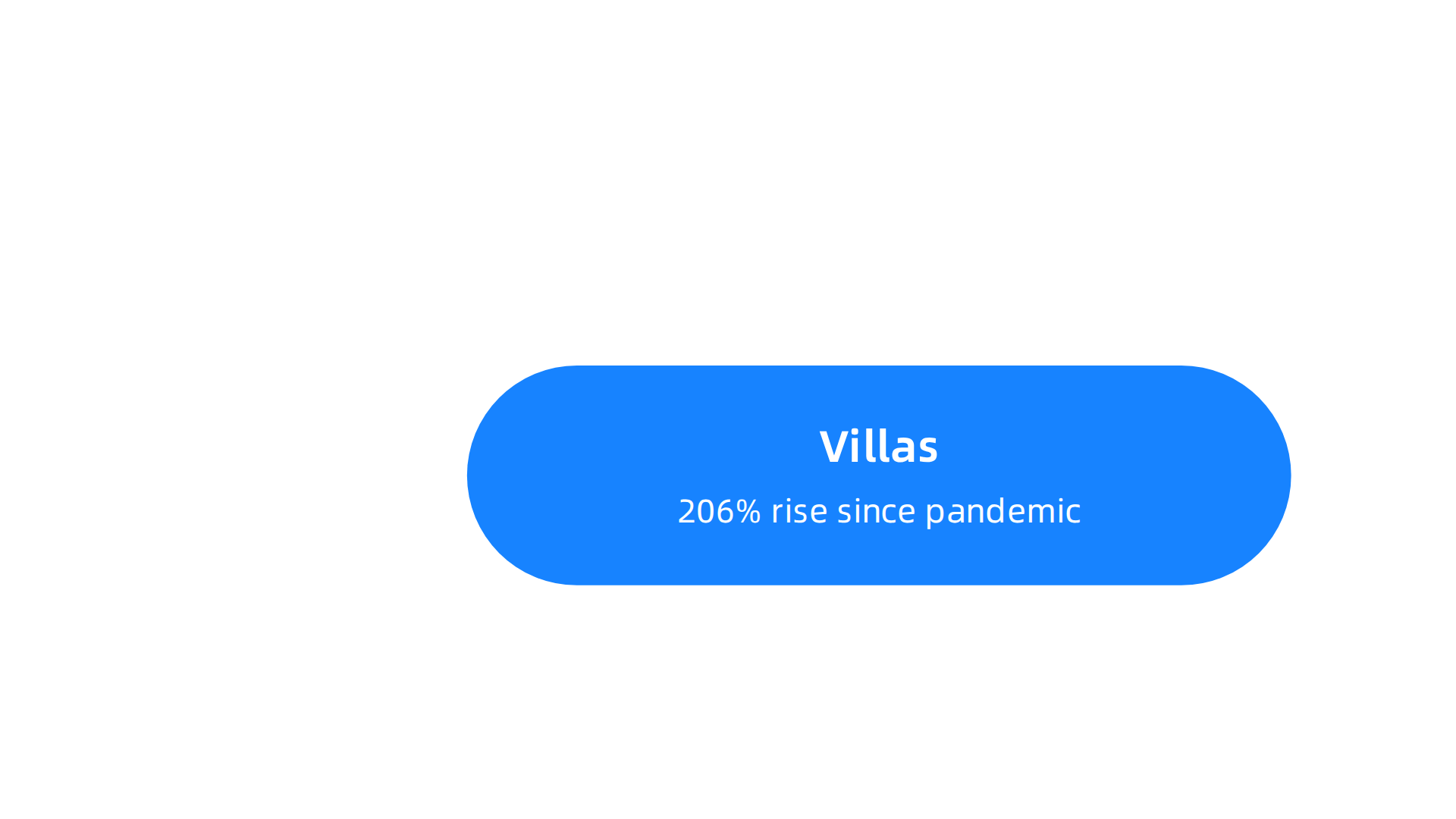
Villas continue to lead the market in price growth. In prime areas like Palm Jumeirah and Emirates Hills, demand stays high while new supply is very limited. Since the pandemic, average freehold villa values have risen by an incredible 206%, according to the latest Dubai Housing Market 2026 insights. Even now, villa prices are climbing at an estimated 13% to 15% per year, as shown in property price forecasts for Dubai 2026.
Why are villas doing so well? People who move to Dubai want space, privacy, and a community feel.

Established villa communities like Emirates Hills, Arabian Ranches, and DAMAC Hills have mature infrastructure and strong lifestyle appeal. New villa projects coming in 2026 will only make up about 11% of total deliveries, so the supply squeeze is not going away soon. If you are interested in buying a villa in a top location, you can get detailed area insights from our Emirates Hills villas for sale 2026 guide.
Apartment Market: More Choices, Slower Growth
Apartments make up about 74% of the residential market in Dubai. That means plenty of options for buyers and renters. But the growth rate is slower than villas. Apartment prices have risen roughly 10% to 12% annually in 2026, depending on location and building quality.
The market is shifting toward what many call "affordable luxury." Buyers now want well‑finished apartments in connected neighborhoods with good amenities. Ready‑to‑move‑in units are especially popular because they let you skip the waiting period and start earning rental income right away. Areas like Dubai Hills Estate, Jumeirah Village Circle, and Business Bay are seeing strong interest from both end‑users and investors.
Rental yields for apartments remain attractive at around 7% to 7.5% in many areas, which is high by international standards. That keeps drawing global investors into the dubai property market.
Off‑Plan Sales: Still the Engine of Growth
Off‑plan sales continue to drive the majority of transactions. In early 2026, they accounted for about 70% of all residential deals. Developers are offering creative payment plans that spread costs over several years, sometimes with post‑handover payment terms. This lowers the upfront barrier for investors and makes off‑plan buying very popular.
The key is to choose projects from developers with a strong track record. Many new launches in 2026 are in emerging neighborhoods where early buyers can benefit from capital appreciation as infrastructure develops. But you need to research carefully because not every off‑plan project delivers on time or at the promised quality.
Making the Right Choice for You
The residential market in 2026 offers opportunities in each segment. Villas give you strong appreciation but cost more. Apartments offer better rental yields and more liquidity. Off‑plan lets you lock in today’s prices for future value.
If you are not sure which path fits your goals, getting expert advice can save you time and money. Get a free Dubai real estate consultation with Ayaz Salman to discuss your specific situation. He can help you compare areas, property types, and investment strategies based on real market data.
Commercial Real Estate: Office, Retail, and Industrial Insights
While most people think about apartments and villas when they hear "dubai property market," commercial real estate is a huge part of the story. Offices, shops, and warehouses offer different opportunities. And in 2026, these sectors are seeing some big shifts.
Office Demand Is Coming Back Strong
After a few quiet years, demand for office space is rebounding. But not just any office. Companies want Grade A spaces in top locations like DIFC, Business Bay, and Dubai South. These areas offer modern buildings, good transport links, and a professional image.
What is driving this? More international businesses are setting up in Dubai. They want flexible, high-quality workspaces where their teams can collaborate.

At the same time, older, lower-grade offices are struggling to find tenants. So location and quality matter more than ever.
Retail Is Changing Fast
Shopping malls in Dubai have always been world famous. But retail real estate in 2026 is about more than just stores. Experiential malls that mix shopping with entertainment, dining, and events are pulling in crowds. Think of places like Dubai Hills Mall or City Walk.
On the other side, e-commerce keeps growing. That means huge demand for warehouses that are ready for online shopping. Logistics companies need spaces close to the city and the airport. This shift is reshaping the retail real estate market.
Industrial and Logistics Keep Booming
Dubai has always been a global trade hub. Its ports and airports move goods around the world. That makes industrial and logistics property a steady bet. Warehouses, cold storage, and distribution centers are in high demand.
Areas near Jebel Ali Port and Dubai South are seeing strong interest from logistics firms. This part of the commercial real estate market offers reliable returns, especially for long-term investors.
If you are thinking about getting into commercial real estate in Dubai, you need solid data and local knowledge. A great starting point is this market analysis for business plan in Dubai guide that breaks down strategies for investors.
And if you want personalized advice on finding the right commercial property for your business or investment, you can get a free Dubai real estate consultation with Ayaz Salman. He can help you compare options and make a smart move in today’s market.
Rental Market Dynamics: Yields, Tenant Hotspots, and Regulations
Understanding the rental market is key if you want to invest in the dubai property market. This part of the market tells you where people actually want to live and how much cash your property can bring in every year.
Rental Yields Are Still Strong
One reason investors love real estate property in Dubai is the high rental yields. In 2026, average gross yields sit between 6% and 8% in popular areas. That is much higher than cities like London or New York where yields often fall below 4%.
Smaller units usually give the best returns. Studios and one bedroom apartments in places like Jumeirah Village Circle and Al Furjan can yield over 8%. But lately, villa yields have been outperforming apartments in many family focused communities. For example, areas like Dubai Hills Estate and Arabian Ranches are seeing villa yields climb closer to the 7% mark. This shift is driven by families wanting more space and outdoor living.
You can check out the latest numbers in this Best rental yields in Dubai 2026 guide for a full breakdown by community.
Where Tenants Are Moving
Tenant demand is changing. More families and professionals are choosing communities that offer a complete lifestyle. That means good schools, parks, supermarkets, and cafes within walking distance. Areas like Jumeirah Village Circle, Arabian Ranches, and Dubai Silicon Oasis are becoming top choices.
People are also moving to newer communities on the outskirts where rents are more reasonable but quality of life is high. This trend is pushing up rental demand in places like Dubailand and Al Warsan. For investors, this means you should look at where families want to settle, not just where prices are cheap.
If you want to dig deeper into which areas give the best rental returns, this best returns on investments Dubai 2026 property guide covers top picks for landlords.
New Rental Rules in 2026
Dubai’s government keeps updating rental laws to keep things fair. In 2026, new amendments balance landlord and tenant rights. One big change affects how much rent can increase at renewal. Now landlords must follow a clear index that limits hikes based on area averages. This gives tenants more certainty but also protects landlords from losing money when market rents rise fast.
Another rule makes lease renewal smoother. If both sides agree, contracts can now renew automatically without new paperwork. That saves time and reduces disputes.
These regulations matter for your investment strategy. They help you predict your income more accurately and avoid legal surprises.
Knowing rental market trends helps you choose the right property type and location. To build a long-term plan that keeps your yields strong, take a look at this long-term real estate investment in Dubai your 2026 strategy for steady growth tips.
Off‑Plan Investment: Opportunities and Risks in 2026
Another big opportunity in the dubai property market right now is off-plan investing. Major developers like Emaar, Damac, and Sobha are constantly launching new projects. And they offer payment plans that make it easier to get in. Think 50/50 plans where you pay half during construction and half after you get the keys. Some even offer post-handover payment plans spread over years.
That flexibility is a big draw. But off-plan is not a guaranteed win. You need to do your homework.
The Upside: Early Bird Discounts and High ROI
When you buy off-plan, you lock in today’s price. If the market keeps rising, your property could be worth much more by the time it’s finished. That’s capital appreciation. On top of that, you can still earn rental income once the property is handed over. Many investors see returns of 8% or more in strong areas. You can check out the best places to invest in rental property in Dubai to see which communities offer the highest yields after completion.
The Downside: Risks You Need to Know
Off-plan comes with risks. Delays happen. Quality can vary. The market could slow down. So you need to look at three things before buying:
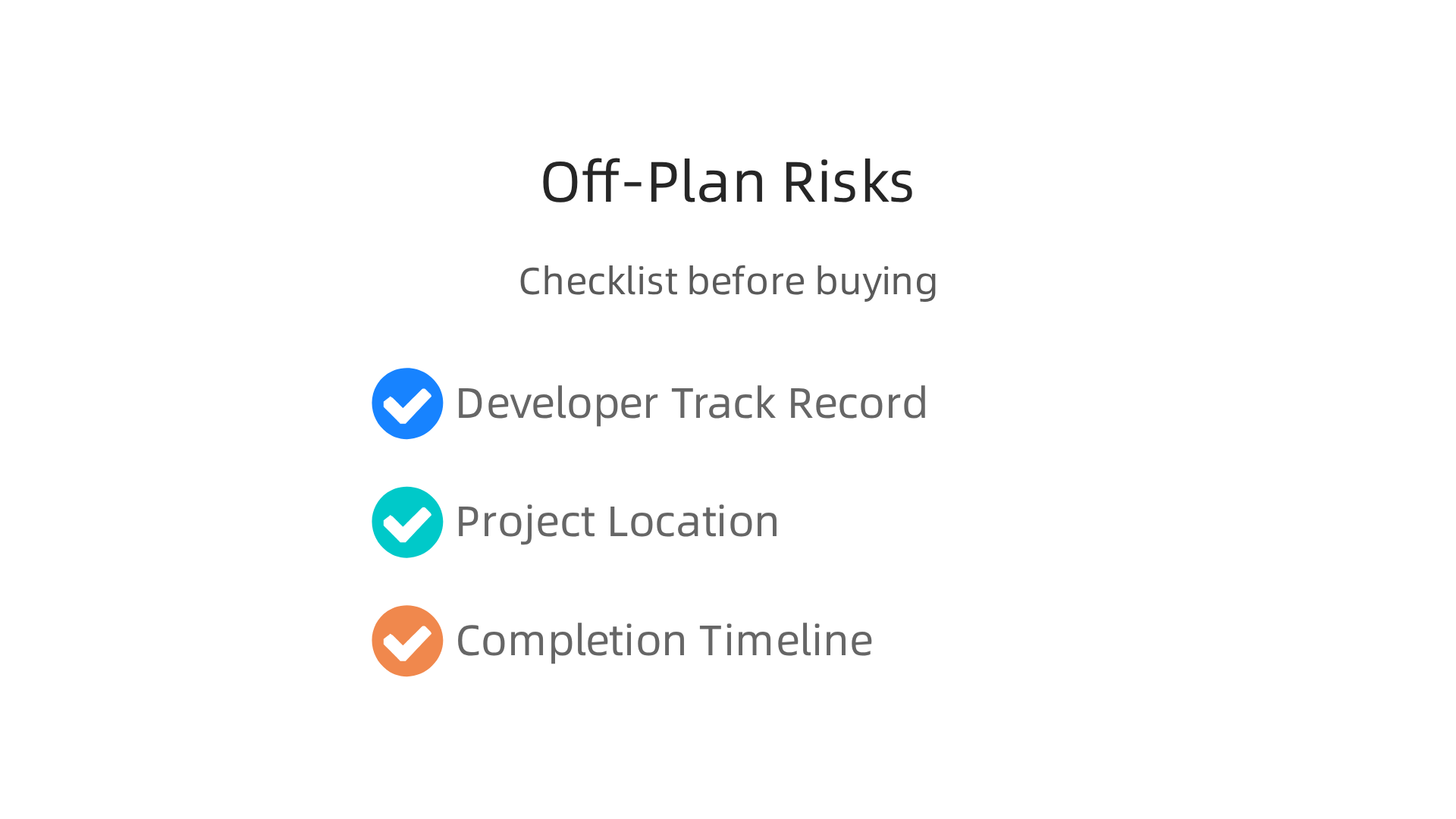
- Developer track record. Have they delivered projects on time before? Check reviews and past launches.
- Project location. Is the area growing? Is there demand from tenants and buyers?
- Expected completion timeline. Are you okay waiting 2 to 4 years?
Dubai has improved its regulations to protect buyers. The Real Estate Regulatory Agency (RERA) now requires escrow accounts for off-plan payments. That helps ensure your money goes toward construction. But you still need to choose wisely.
Getting Expert Help
With so many off-plan launches in 2026, it’s easy to feel overwhelmed. You want a project that fits your budget and your goals. That’s where personalized advice makes a difference. If you’re thinking about buying off-plan, you can get a FREE Dubai Real Estate Consultation with Ayaz Salman. He can help you evaluate developers, locations, and payment plans so you invest with confidence.
Also, for a broader look at what works in 2026, read this guide on investments with the best ROI in Dubai covering off-plan, rentals, and luxury properties.
Navigating Dubai Property Laws and Regulations
Understanding the legal side of the dubai property market is just as important as picking the right project.
Without a clear grasp of the rules, even a smart investment can get complicated. The good news is that Dubai has built a strong legal system that protects both buyers and sellers.
Who Can Own Property in Dubai
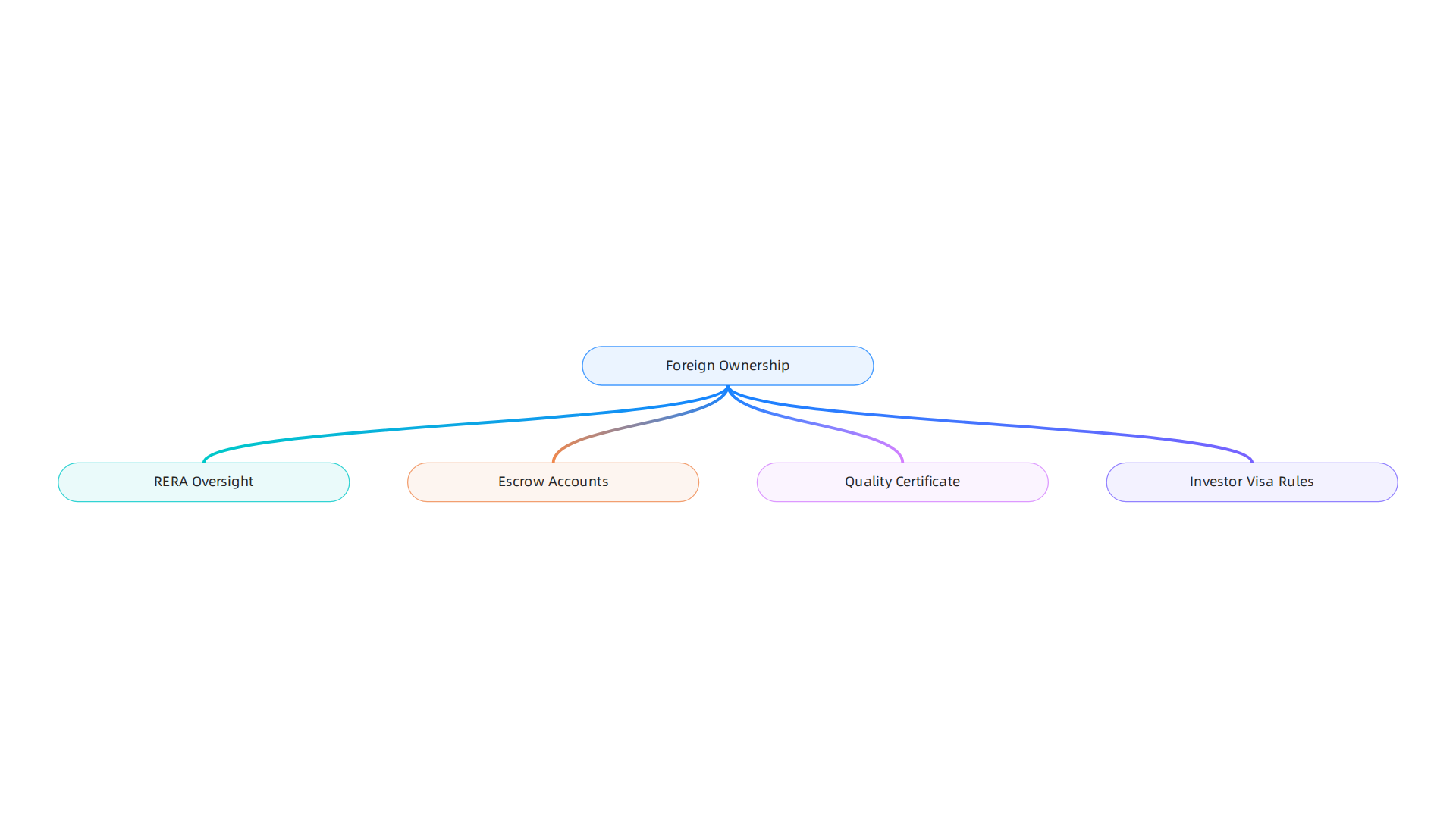
Foreigners can own property in designated freehold areas. These zones include popular spots like Downtown Dubai, Dubai Marina, and newer areas like Al Jaddaf. As an expat, you get full ownership rights to the property and the land it sits on. That is a big change from the past, when non-residents could only lease. The 2026 laws continue to support this openness. You can learn more about the basics from this guide on Dubai real estate laws and regulations 2026.
For anyone new to the market, it helps to verify who you are dealing with. Always check the developer’s credentials through the Dubai Land Department or RERA. A good step is to read about how to verify real estate companies in Dubai to avoid common scams.
The Role of RERA and Escrow Accounts
The Real Estate Regulatory Agency (RERA) is the government body that oversees all property transactions. One of its most important rules is the escrow system for off-plan purchases. When you buy a property that is still being built, your money goes into a third-party escrow account. The developer can only use those funds for construction. This system has cut down on project delays and fraud. New laws in 2026, like Law No. 3 on building quality and safety, add even more protection. All buildings now need a Quality and Safety Certificate to ensure they meet strict standards.
Visa Reforms Make Investing Easier
Dubai has also updated its visa rules to attract more international buyers. In 2026, the minimum property value for a two-year investor visa was removed for sole owners. Joint owners now need a share worth at least AED 400,000. The Golden Visa is also available for larger investments. These changes make it easier for foreign investors to live in Dubai while managing their holdings. For details, see the official update on Dubai revised real estate investor visa rules.

If you want to look deeper into long-term strategies, check out this article on long-term real estate investment in Dubai for 2026.
Bottom line: knowing the laws makes you a smarter investor. Whether you are buying your first home or adding to a portfolio, take time to understand the rules that keep your investment safe.
Investment Strategies: Maximising Returns in 2026
Now that you understand the legal framework, let’s talk about how to actually make your money work harder for you in the dubai property market. A smart investment strategy in 2026 balances two main goals: capital appreciation and steady rental income.
Some properties grow in value over time, especially in prime locations. Others deliver cash flow month after month. The trick is knowing which mix fits your goals.
Go for Growth or Go for Yield?
Prime villas in communities like Emirates Hills or Palm Jumeirah tend to rise in value as demand stays high. These are capital appreciation plays. But they also come with higher entry costs. On the other hand, apartments in emerging areas like Dubai South or Al Jaddaf can offer strong rental yields, often between 6% and 9% per year.
A balanced portfolio includes both types. That way, you enjoy price growth while covering your holding costs with rental income.
Off-Plan Can Deliver Big Returns
Off-plan investments remain one of the most exciting ways to grow your money in the Dubai market. If you pick the right project from a reputable developer, you could see returns of 20% to 30% once construction finishes. That is because you lock in today’s price and benefit from future appreciation.
But off-plan also carries risk. That is why due diligence matters so much. Check the developer’s track record and payment plan. Also look at the area’s supply pipeline. If too many similar units are being built in the same spot, your resale value may suffer.
For more detail on which projects offer the strongest potential, check out this guide to the best returns on investments in Dubai for 2026.
Use Data, Not Gut Feelings
The most successful investors in 2026 rely on numbers, not hunches. They track price trends, rental yield maps, and economic indicators like population growth and job creation. Buying because a neighborhood feels nice is not enough.
One new factor that affects property value is building quality. Dubai’s new regulations require all buildings to obtain a Quality and Safety Certificate. Properties that meet these standards are likely to hold their value better and attract higher rents. Learn more about this requirement from the overview of Dubai’s Law No. 3 of 2026 on building quality.
When you combine market data with regulatory knowledge, you make smarter choices. That lowers your risk and boosts your potential returns.
Bring It All Together
The dubai property market in 2026 offers plenty of opportunities, but only if you approach it strategically. Focus on areas with strong fundamentals, diversify between growth and income assets, and always verify your facts.
If you are ready to build a personalized investment plan, connect with an expert who knows the market inside out.

Get a FREE Dubai Real Estate Consultation to discuss your specific goals and find the strategy that works for you.
Economic and Demographic Drivers Shaping the Market
What makes the dubai property market tick in 2026? It all comes down to three big forces: strong GDP growth, a rising population, and a resilient tourism sector. These are the bedrock drivers that create real demand for homes and offices across the city.
Let us start with the economy. The UAE is expected to post GDP growth of around 5% in 2026, according to a Standard Chartered report. That is well above the global average. When the economy expands, more jobs are created, businesses thrive, and people have the confidence to make big moves like buying property. You can read the full projection in this overview of how Standard Chartered projects 5% GDP growth for UAE in 2026.
Population Growth Fuels Housing Demand
The second driver is population growth. Dubai crossed the 4 million resident mark in 2025. Experts forecast another 175,000 to 225,000 people arriving in 2026 alone. These are not short term visitors. They are skilled professionals, entrepreneurs, and families relocating for work, safety, and lifestyle benefits like the Golden Visa program. All these new residents need somewhere to live. This creates a steady floor under both rental demand and sales activity. The Dubai real estate forecast 2026 highlights how long term demographic expansion is reshaping the market for the better.
Supply and Pricing Equilibrium
On the supply side, the picture is more balanced. Developers launched over 150,000 new units in 2025, but most of those are scheduled for delivery in 2028 or later. For 2026, about 83,000 units are expected to be completed. Based on historical trends, the actual handover number will be lower because construction deadlines often shift. That gap between launches and completions helps keep prices stable. If you want to understand how supply pipelines affect your strategy, take a look at this guide on long term real estate investment in Dubai.
The Role of Global Economic Factors
Global factors like interest rates and oil prices play a supporting role rather than a starring one. The Dubai market is mostly driven by local policies, visa reforms, and infrastructure spending. That said, geopolitical events can still create short term uncertainty. A Reuters report notes that the Dubai property sector shows early signs of weakness due to regional tensions. This is a reminder that no market moves in a straight line. Staying informed and having a clear strategy matters more than ever.
The dubai property market in 2026 is built on strong economic and demographic foundations. But making sense of all these moving parts on your own can be overwhelming. Whether you are buying a home, investing for the long term, or looking for the right commercial real estate opportunity, expert guidance helps you see the full picture. Book your FREE Dubai Real Estate Consultation today and get personalized advice tailored to your goals.
Summary
This guide gives a clear, data‑driven view of the Dubai property market in 2026, explaining who is buying, which segments are performing, and what drives price and rental trends. It covers strong transaction volumes and where growth is concentrated — villas leading in capital gains, apartments offering rental yields, and off‑plan sales still dominating transactions. The article breaks down commercial opportunities in offices, retail and logistics, explains recent rental and visa rule changes, and summarises legal protections like RERA escrow accounts and new building quality rules. It also outlines practical investment strategies — balancing growth and yield, using data not gut feel — and lists the checks you must do before buying. Readers finish able to compare asset types, evaluate off‑plan risks, understand expected yields, and take the next steps with confidence or professional advice.