

Target Market Business Plan Sample for Dubai Real Estate Investors and Agents
Overview
Introduction
Dubai’s real estate market moves fast. Really fast. Recent data on Dubai real estate resilience shows transaction values climbing and investor confidence staying strong. Yet here is a hard truth. Many investors, buyers, and even experienced agents stumble because they skip one foundational step. They never define their target market.

Think about it this way. You would not open a restaurant without knowing who your customers are. You would not launch a product without understanding who needs it. The same logic applies to Dubai property. Without a clear picture of your target market, you are navigating blind.
So what does a target market business plan sample look like? It starts with identifying the specific group you want to reach. That group shapes every decision. Which neighborhood to focus on. What type of property to buy. How to price it. Who to market it to. When to enter or exit a deal.
This guide walks you through a step-by-step framework to build your plan. You will find a real target market business plan sample you can adapt. You will see an example of target market in business plan format. And you will learn how to back up your choices with trusted data. For a deeper look at the numbers, check out this market analysis for business plan in Dubai.
Ready to turn your plan into action? FREE Dubai Real Estate Consultation Connect with Ayaz Salman for a free chat about your property goals.
Why Defining Your Target Market Is the First Step in Your Dubai Real Estate Business Plan
Here is a number that might surprise you. A large percentage of new real estate agents in Dubai do not make it past their first year.
One analysis of new agent failure rates in Dubai points to a lack of preparation as the main reason. That preparation starts with one thing. Knowing who you are selling to.
Without a clear target market, you waste money. Simple as that. You run ads that reach people who never buy. You spend hours touring properties with clients who do not match your offering. A defined target market changes everything. Every dirham and every minute goes toward a buyer or investor who actually fits your plan.
Here is the thing about Dubai. It is not one market. It is many markets layered together. Buyers come with different visa needs, budget ranges, investment timelines, and lifestyle dreams. Some want a golden visa through a AED 2 million property. Others want a quick off-plan flip. Some want long-term rental yield in an established community like JVC. Each group needs a different property, price point, and pitch.
Lenders and investment partners notice this. When they review your business plan, they look for a detailed target market section. They want proof that you understand your customer. A vague answer like "everyone" kills your credibility. A specific answer like "European investors seeking luxury off-plan in Palm Jumeirah" builds trust and opens doors.
If you are looking for jobs in Dubai real estate, the same rule applies. Agencies want agents who already know their niche. A focused candidate stands out far more than a generalist.
Define your target market first. It turns a scattered effort into a focused strategy. And that focus makes everything else easier to execute.
A Step-by-Step Framework for Defining Your Target Market (with a Sample Workflow)
Great. You know why a target market matters. Now let me show you exactly how to define yours. This three-step framework will help you build a clear, actionable section for your business plan.
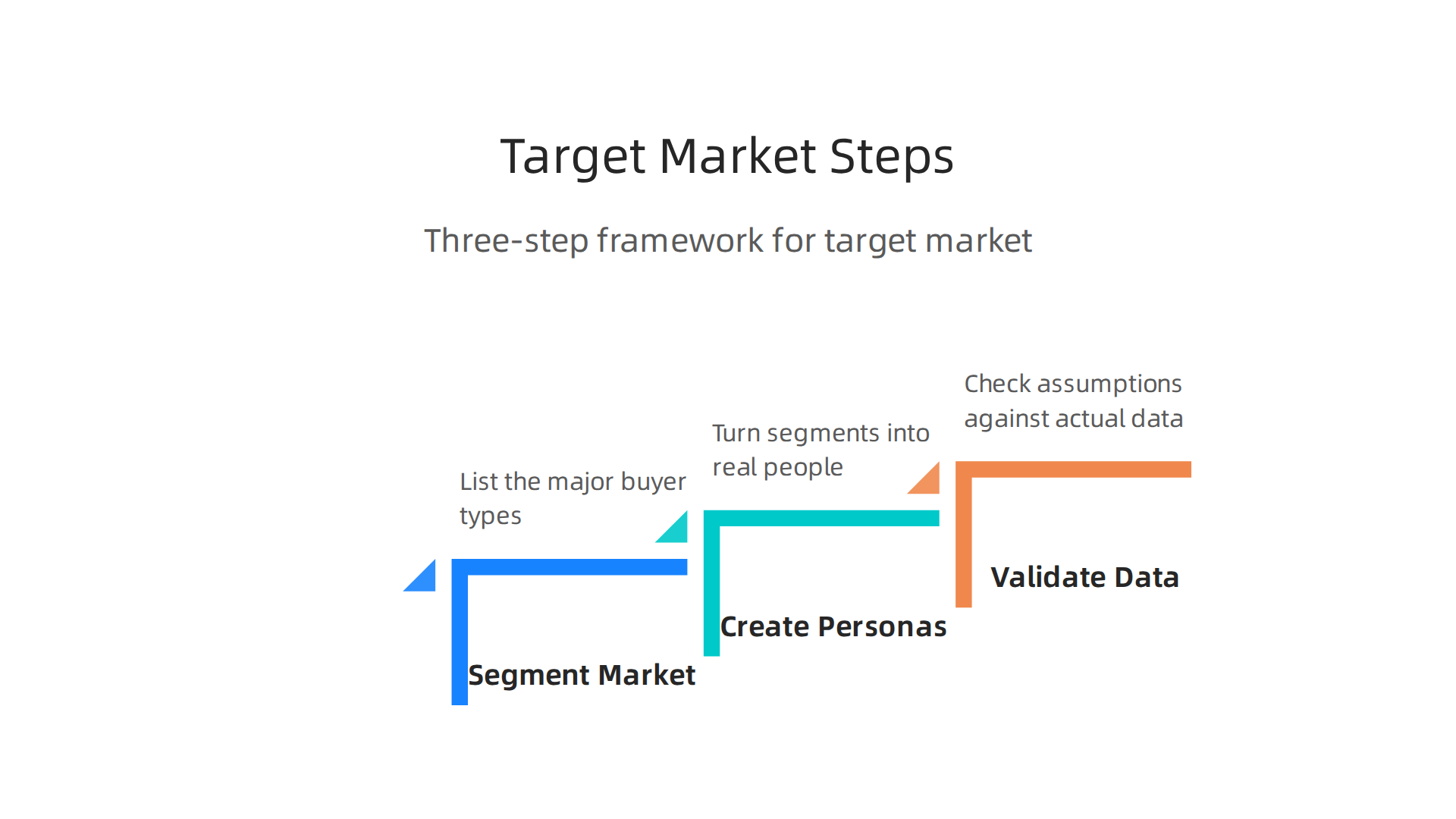
Think of it as your target market business plan sample that you can adapt to your own goals.
Step 1: Segment the Dubai Market by Buyer Type
Dubai’s property market splits into several distinct groups. Each one behaves differently. Start by listing the major segments:
- First-time homebuyers – Young professionals or new families looking for apartments in areas like JVC or Dubai Silicon Oasis
- Luxury buyers – High-net-worth individuals seeking villas on Palm Jumeirah or Emirates Hills
- Off-plan investors – People chasing capital appreciation through pre-construction deals
- Rental yield investors – Buyers focused on monthly cash flow from established communities
- Golden visa seekers – Investors targeting properties worth AED 2 million or more
Pick one or two segments to start. Trying to serve all of them at once leads to the same scattered effort we discussed earlier.
Step 2: Create Detailed Buyer Personas
Now go deeper. Turn each segment into a real person with a name, a story, and specific needs. This is where your example of target market in business plan comes to life.
Meet "Ahmed." He is a 34-year-old European expat working in fintech. He earns AED 60,000 per month. He wants a two-bedroom apartment in Dubai Marina with a view. His pain point? He does not know which developers deliver on time. His buying trigger? He just got his visa renewed and needs to close within 60 days.
Write down demographics like age, income, and nationality. Then note psychographics like lifestyle preferences and fears. The more specific you get, the easier it is to choose the right property and write the right message.
Step 3: Validate Your Segments Using Market Data
A persona is only useful if it matches real market conditions. Check your assumptions against actual data. Look at transaction volumes in your chosen area. Review average price per square foot. Study competitor activity.
The National Association of REALTORS guidance on selecting your target marketing niche recommends narrowing by location, home type, buyer type, and price range. Apply the same logic here. If your data shows that luxury villa sales in Palm Jebel Ali dropped 15 percent while mid-market apartments in JVC grew 12 percent, adjust your focus accordingly. Validation protects you from building a plan around a market that does not exist.
Once you have validated segments and personas, document everything in your business plan. Include a one-page table with segment name, demographics, buying triggers, and property preferences. That table becomes the backbone of your entire strategy. For a deeper look at how market data shapes your approach, check out this market analysis for business plan in Dubai guide.
With a well-defined target market, you can now create a website that speaks directly to your ideal client, choose the right marketing channels, and price your services with confidence.
If you are ready to put this framework into action and need personalized guidance, reach out for a FREE Dubai Real Estate Consultation with Ayaz Salman. He can help you refine your target market and build a plan that actually works.
Key Segments in Dubai Real Estate: Buyers, Investors, Sellers, Landlords, and Tenants
You now have a framework for defining your target market. But Dubai’s real estate market is not one big crowd. It is a collection of very different groups. Each one moves differently, thinks differently, and buys for different reasons.

Let me walk you through the main segments so you can decide where you fit best.
Buyers and Investors: Two Different Mindsets
Buyers in 2026 are getting younger and smarter. According to the report on Dubai’s new buyer profile in 2026, today’s purchasers are less emotional and more data-driven. They research community growth potential, infrastructure links, and rental demand before making a move.
Investors are a whole different animal. Off-plan investors chase capital appreciation. They buy early in a project and sell before completion. Cash buyers of secondary properties want immediate rental income or a place to live. The two groups have opposite timelines and opposite needs.
Here is a simple breakdown:
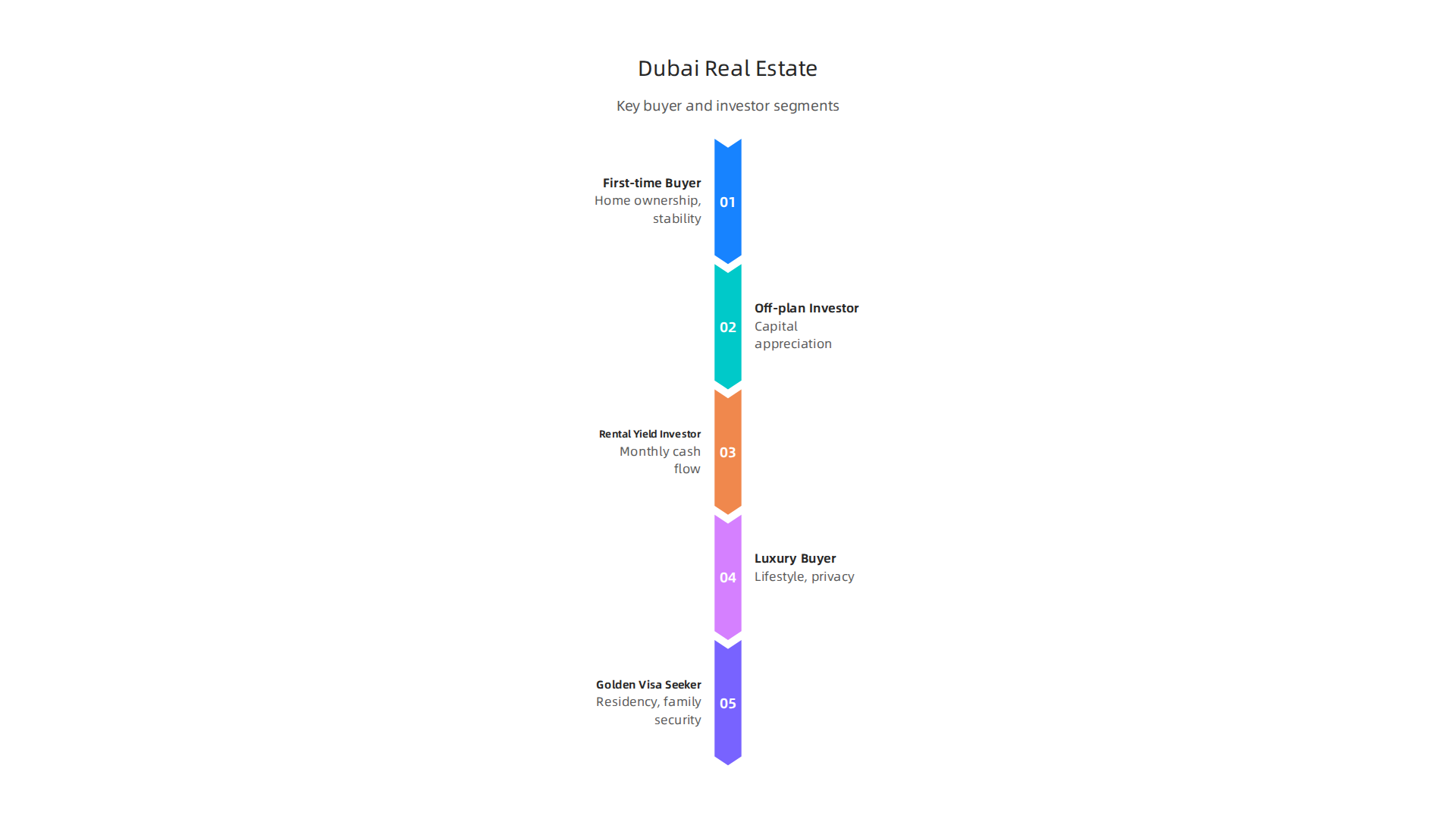
| Segment | Main Motivation | Typical Property Preference | Decision Speed |
|---|---|---|---|
| First-time buyer | Home ownership, stability | Studios and 1-bed units under AED 1.5M | Slow, thorough |
| Off-plan investor | Capital appreciation | Pre-launch properties in growing areas | Fast, speculative |
| Rental yield investor | Monthly cash flow | Completed units in high-demand areas | Medium, analytical |
| Luxury buyer | Lifestyle, privacy | Waterfront villas above AED 10M | Fast, cash-driven |
| Golden visa seeker | Residency, family security | Properties above AED 2M | Medium, compliance-focused |
Sellers and Landlords: A Different Game
Sellers want speed and top price. They care about market timing and presentation. Landlords want steady tenants and minimal vacancy. They track rental trends and service charges.
Tenant profiles shift dramatically by location. A tenant in Dubai Marina wants a studio with a view and gym access. A family in Jumeirah Village Circle wants a two-bedroom near a school with parking and storage. If you are marketing to tenants, you need to match your message to the neighborhood.
Why This Matters for Your Plan
The best Dubai property market 2026 guide data shows that end users now make up a larger share of transactions. That means buyers are buying to live, not to flip. Your messaging needs to shift from "fast profit" to "long-term value."
Pick one segment. Understand their world. Then build everything around them. That is how you create a target market that actually works.
How to Research Your Target Market: Data Sources and Methods for Dubai Real Estate
Once you have picked your segment, the next step is to research them properly. You need reliable data to understand their behavior.
Otherwise, you are guessing. And guessing in Dubai real estate costs money.
The good news? Dubai has some of the most open property data in the world. Let me show you where to find it.
Primary Sources: Start with Official Data
The Dubai Land Department (DLD) is your best friend. It publishes every single property transaction.
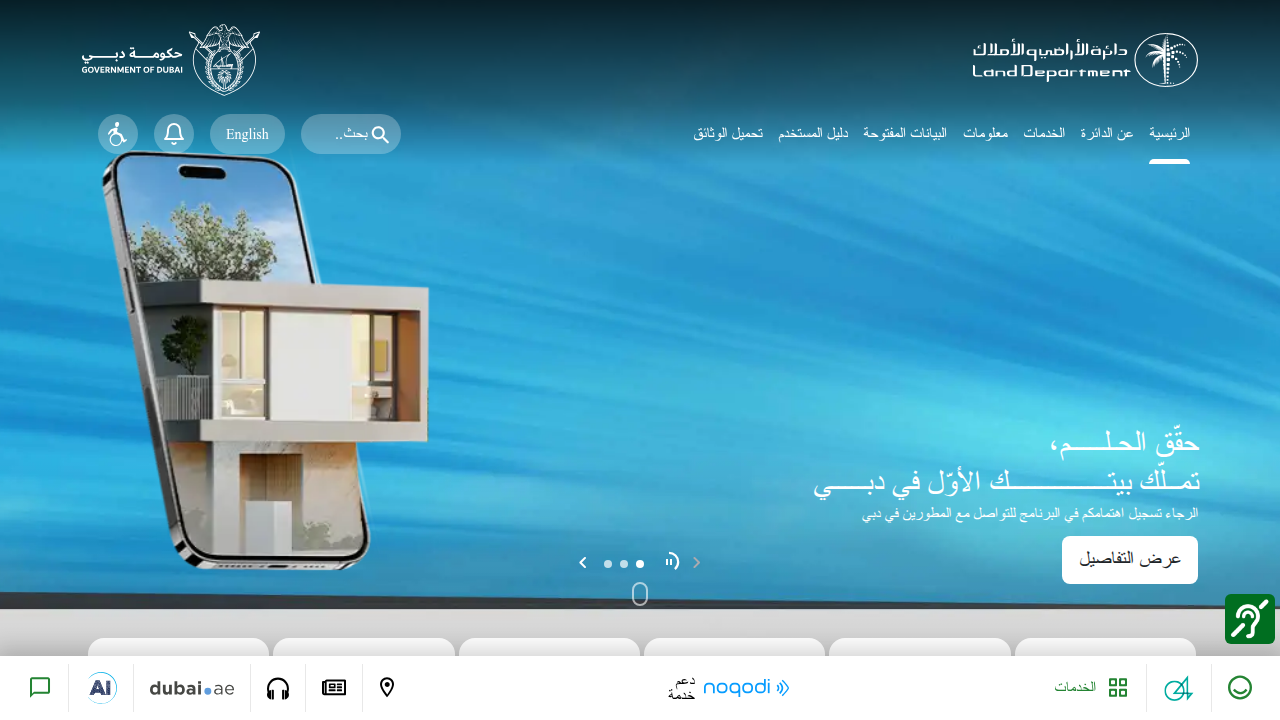
You can check prices, areas, and dates for free. The Dubai Land Department real estate data portal gives you raw numbers on sales, mortgages, and transfers.
RERA provides the rental index. This tells you how much rent tenants pay in each community. Combine it with DLD data and you cover about 85% of what you need.
A great free tool to start with is DXBInteract (dxbinteract.com). It is the DLD’s public portal.
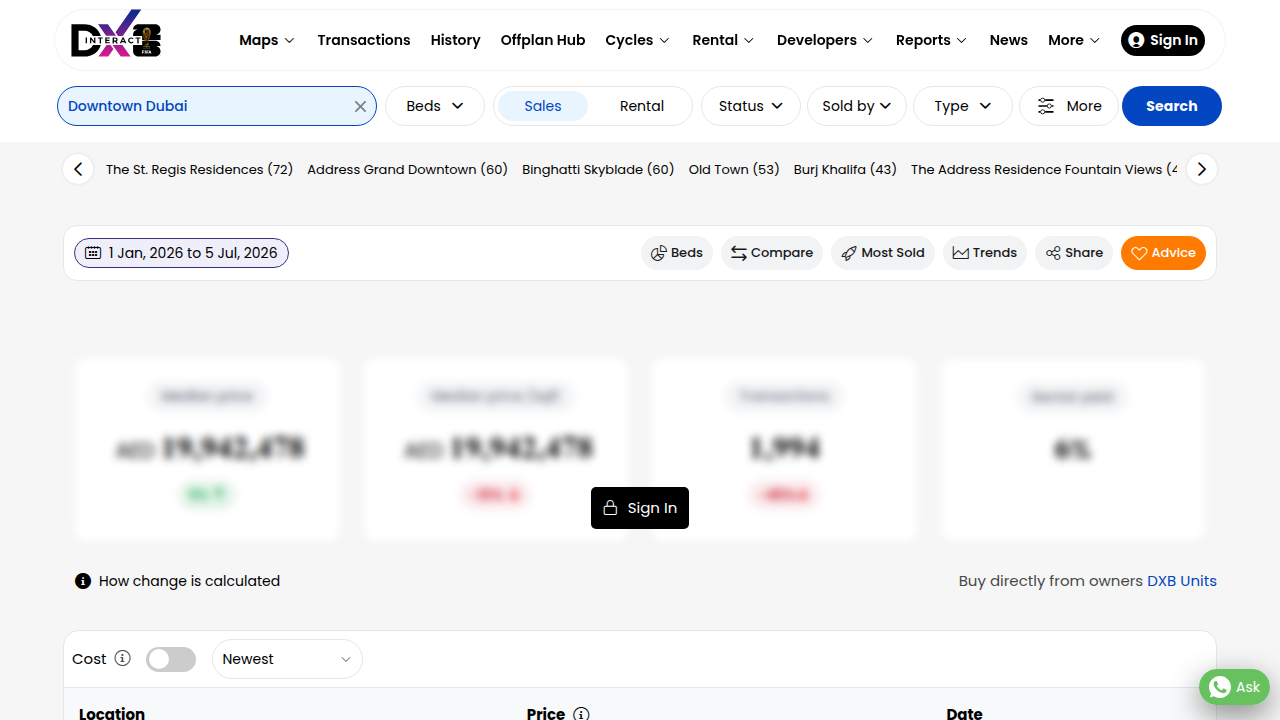
You can search by area, property type, and date range. For deeper analysis, platforms like Oliva offer scored insights. The guide to Dubai real estate data sources explains how to layer these tools for better decisions.
Secondary Sources: Industry Reports and Property Portals
Knight Frank, CBRE, and ValuStrat publish regular reports. They cover big trends like supply pipeline, price forecasts, and investor sentiment. These reports are free and updated quarterly.
Property portals like Property Finder and Bayut show listing data. But remember: listing prices are asking prices, not sale prices. Always verify with DLD transaction records.
Qualitative Methods: Talk to People
Numbers tell you what happened. People tell you why. Interview experienced brokers. Join investor groups on social media. Study how your competitors talk about properties.
Look at their ad copy and social media posts. That is the market analysis for business plan in Dubai approach that works best.
Putting It All Together
If you are writing a target market business plan sample, start with DLD data for size and pricing. Add RERA for rental demand. Then use interviews to understand motivation. A solid target market in business plan example always includes both hard data and human insight.
The example of target market in business plan that works best is one backed by real transactions and real conversations.
Once you have your research done, the next step is getting personalized advice. Buying, selling, renting, or investing in Dubai? Connect with Ayaz Salman for Free Consultation to turn that data into a real plan.
Crafting a Competitive Analysis Within Your Target Market Business Plan
Once you know who your target market is, the next question becomes: who else is chasing them? Every serious target market business plan sample includes a competitive analysis section. Without it, you are walking into the Dubai market blind to what others are already doing.
Start by listing your direct competitors. These are agents, brokerages, or developers selling to the same buyer segment you picked. If your target market business plan example focuses on first-time buyers, your direct competitors are other agents who market ready apartments under AED 1 million in communities like JLT or Business Bay.
Then look at indirect competitors. These are alternatives your target audience might choose instead of your service. For example, a first-time buyer might choose the Dubai First-Time Home Buyer Program instead of working with a traditional agent. That program is an indirect competitor because it solves the same problem a different way.
Compare What Competitors Actually Do
Now dig into how your competitors operate. Compare their pricing, marketing channels, and unique value propositions. Look at their social media ads, website content, and listing strategies.
Who targets younger buyers who are tech-native and purpose-driven? You can see from recent data that buyers in 2026 are less emotional and more analytical. They want data before they make a decision. Competitors who focus on lifestyle photography might miss this shift entirely. On the other hand, agents who lead with rental yield data and supply pipeline reports are winning.
This is where you can use a data-driven Dubai real estate marketing strategy to fill gaps your competitors leave open.
Use a SWOT Framework to Find Your Edge
A SWOT analysis helps you position your offering against market gaps. Look at the strengths and weaknesses of each competitor. Then look at opportunities and threats in the wider market.
For example, the Dubai housing market in 2026 shows that buyers now prioritize ready homes and near-completion properties over off-plan speculation. If your competitors mostly push off-plan projects, that is a weakness you can exploit. Your strength might be offering only ready stock with verified DLD transaction data behind each listing.
Write your SWOT findings directly into your business plan. A good example of target market in business plan always shows that you understand the competitive landscape, not just your own offering.
Remember: Your Business Plan Needs Both Data and Positioning
Research gives you the facts. Competitive analysis shows you where to stand. Together, they turn a generic target market in business plan example into a real, actionable roadmap. If you have not mapped out your competitors yet, start today. The Dubai market moves fast and the best position fills a gap no one else saw.
Financial Projections Based on Target Market Insights
Here is where your research turns into real numbers.

After you know your target market inside out and have mapped your competitors, the next step is building financial projections that actually mean something. A good target market business plan sample always ties its revenue numbers back to real market data, not guesses.
Estimate Your Addressable Market and Revenue Potential
Start with the size of your target segment. If your target market business plan example focuses on first-time buyers looking for apartments under AED 1 million, find out how many transactions happened in that range last year. The Dubai Land Department publishes all registered sales through DXBInteract, and you can use those records to calculate your addressable market.
For example, if 8,000 units sold in your target segment last year and you aim to capture 1 percent of those transactions, that is 80 potential deals in a year. Multiply that by your average commission per deal, and you get a realistic revenue projection. This method beats guessing because it is based on actual Dubai real estate data sources that anyone can access for free.
Project Marketing Costs Per Segment
Different buyer segments cost different amounts to reach. First-time buyers might respond well to social media ads and educational blog content. High-net-worth investors might require in-person events and premium listing placements.
Use cost-per-acquisition benchmarks from your competitive analysis. If your competitors spend AED 1,500 per qualified lead on Google Ads for first-time buyers, you can use that number to project your own marketing budget. Divide your total marketing spend by your expected number of closed deals to find your customer acquisition cost. This number goes straight into your profit and loss forecast.
Include Sensitivity Analysis for Different Adoption Rates
Not every business plan includes this, but the best ones do. A sensitivity analysis shows what happens if your market share is higher or lower than expected.
Create three scenarios. In the base case, you capture 1 percent of your target market. In the upside case, you capture 2 percent. In the downside case, you capture 0.5 percent. For each scenario, calculate your revenue, expenses, and net profit. This shows investors or partners that you have thought about risk.
A solid market analysis for business plan in Dubai will include these projections because they prove you understand the numbers behind your strategy. If you want personalized help building your financial model and checking it against real market conditions, you can connect with Ayaz Salman for Free Consultation through WhatsApp to discuss your plan one on one.
Your target market in business plan example should show readers exactly how you went from market size to revenue. When your numbers come from real data, your plan becomes trustworthy. And in a fast-moving market like Dubai, trustworthy numbers give you an edge over every competitor who is still guessing.
Sample Target Market Business Plan Template (Customizable for Dubai)
You have done the research, studied your competitors, and built financial projections. Now it is time to put everything into one clear document. A template saves you from starting from scratch. The one below is made for Dubai’s real estate market and can be adjusted for residential, commercial, or off‑plan segments.
Template Sections (with prompts to fill in)
- Executive Summary – Write a one‑page overview of your business, target market, and financial goals. Keep it short but powerful.
- Target Market Definition – Describe your ideal buyer using demographics, location, and property type. For example, first‑time buyers in Downtown Dubai looking for studios under AED 800,000.
- Buyer Personas – Create 2 or 3 detailed personas. Include age, income, needs, pain points (like fear of hidden fees), and buying behavior. Use real data from your research.
- Competitive Analysis – List top competitors. Show their strengths, weaknesses, and what makes you different. A good target market business plan example always compares pricing, services, and marketing channels.
- Marketing Strategy – Outline how you will reach each persona. Include channels like social media, SEO, open houses, and referrals. The best real estate marketing plans for 2026 recommend focusing on a narrower audience to improve conversion rates.
- Financial Projections – Use the numbers from the previous section: addressable market size, projected revenue, marketing costs, and sensitivity analysis.
Why this template works
Each cell includes prompts for demographics, needs, pain points, buying behavior, and channels. You simply replace the placeholder data with your own research. If you target luxury investors, adjust the persona details and marketing channels. If you focus on off‑plan properties, change the competitive analysis to compare developers instead of agents.
To see a real‑world example of how market data feeds into a business plan, check out this detailed guide on market analysis for business plan in Dubai. It shows how to turn raw numbers into a convincing document.
Ready to build your own plan?
If you want personalized help filling out this template or checking your assumptions against current market conditions, you can get a FREE Dubai Real Estate Consultation. Ayaz Salman will review your target market definition and financial projections to make sure your plan is ready for Dubai’s competitive market.
Common Mistakes to Avoid When Defining Your Target Market in Dubai Real Estate
You now have a solid template to work with. But even the best target market business plan sample can fail if you fall into traps that many people miss. Let’s look at the three biggest mistakes and how to avoid them.
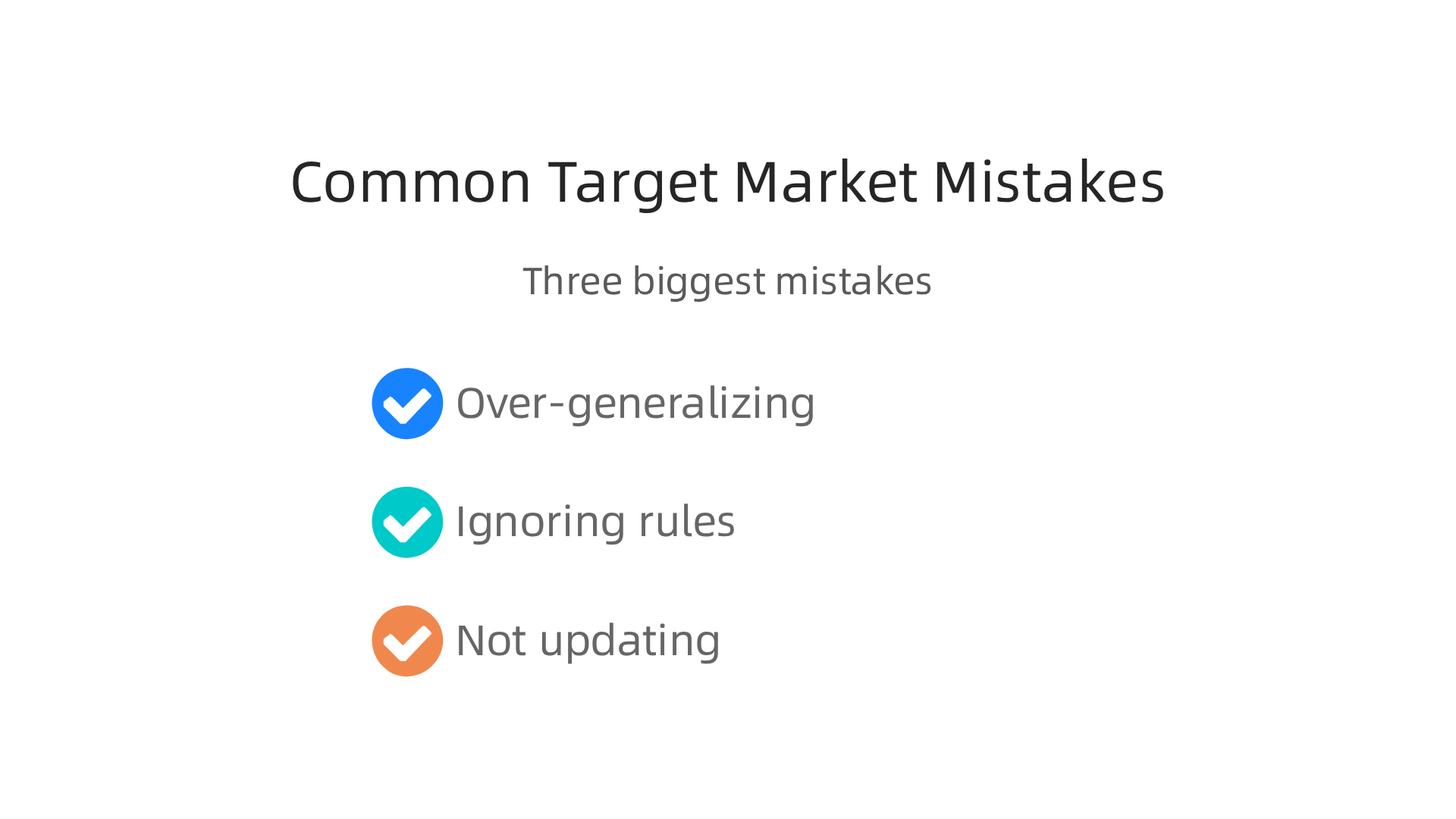
Mistake 1: Over-generalizing your audience
Saying your target market is "all investors" or "everyone looking for property" seems easy. But it actually weakens your whole plan. When you try to appeal to everyone, you end up speaking to no one. Your marketing becomes generic and forgettable.
Instead, get specific. Pick one segment like first-time buyers in JVC looking for studios under AED 700,000. Or high-net-worth investors seeking luxury villas in Palm Jebel Ali. The more focused you are, the better your message will land.
Mistake 2: Ignoring Dubai’s unique cultural and legal rules
Dubai is not like other markets. Freehold zones, visa rules, and developer regulations change how people buy and invest. If you ignore these details, your target market definition will be off.
For example, many expat investors need to understand the difference between freehold and leasehold areas. Buyers from certain countries may have different financing options. A common mistake buyers make is jumping in without proper research on these local factors. Set your personas up with accurate info from the start.
Mistake 3: Not updating your target market as conditions shift
Dubai’s market moves fast. New regulations, inflation, tourism trends, and major events like Expo 2020 all change who is buying and why. A target market that worked in 2024 may be outdated by 2026.
Investors who don’t adjust their plan often end up chasing hype instead of logic. A recent review of top mistakes shows how buying without a clear, updated strategy leads to poor results. Check the latest UAE real estate market 2026 trends to keep your target market aligned with reality.
Avoid these three errors and your target market business plan sample will be much stronger. Remember, the best plans are specific, locally aware, and regularly refreshed.
Summary
This guide explains why defining a target market is the essential first step for any Dubai real estate business plan and gives a practical, data-driven framework to do it. It walks you through segmenting buyers (first-time, luxury, off‑plan, yield, golden visa), creating detailed buyer personas, and validating assumptions with official Dubai data like DLD and RERA. The article also shows how to map competitors, use a SWOT to find an edge, and build financial projections tied to realistic addressable-market estimates and acquisition costs. You get a ready-to-use business plan template tailored to Dubai, plus common pitfalls to avoid and tips for updating your plan as market conditions shift. After reading, you will be able to define a focused target market, back it with evidence, craft targeted marketing and competitive positioning, and produce credible revenue forecasts that appeal to partners and lenders.