
UAE Real Estate Market 2026 Data Driven Trends and Investment Opportunities
Overview
Introduction
The UAE real estate market has always attracted global attention. But in 2026, the landscape is shifting in ways that demand a closer look.
Growth is still happening. But the pace has changed. The days of rapid, across-the-board price jumps are cooling. What is taking their place is a more measured, selective market where location, quality, and timing matter more than ever.
If you are considering Dubai real estate investing this year, the numbers tell an interesting story. According to the latest review of the UAE Real Estate Market Review Q1 2026, Dubai recorded over 45,000 residential transactions worth AED 137 billion in the first quarter alone. That is serious activity. At the same time, price appreciation is slowing. Villa values continue to outperform apartments. And a wave of new supply is expected later this year, which could reshape opportunities for buyers and investors alike.
This matters whether you are buying your first home, growing an investment portfolio, or simply renting. The market is entering a new phase. One where being informed is not just helpful. It is essential.

This guide gives you a structured, data-driven overview of what is happening right now. We will look at the key trends driving prices, where the best opportunities still exist, what risks to keep on your radar, and how to make decisions you can feel good about. For a full breakdown of current conditions, explore our data-driven Dubai property market guide for investors and buyers.
Whether you are a seasoned investor or just starting to explore the market, having the right information changes everything. And if you need personalized guidance, you can get a FREE Dubai Real Estate Consultation with an expert who understands the market from the inside.
Let us dive into what 2026 has in store.
Macroeconomic Drivers Shaping the UAE Real Estate Market
To understand where the UAE real estate market is headed in 2026, you have to look beyond property listings. The big picture starts with three powerful forces: the economy, the population, and the cost of money.
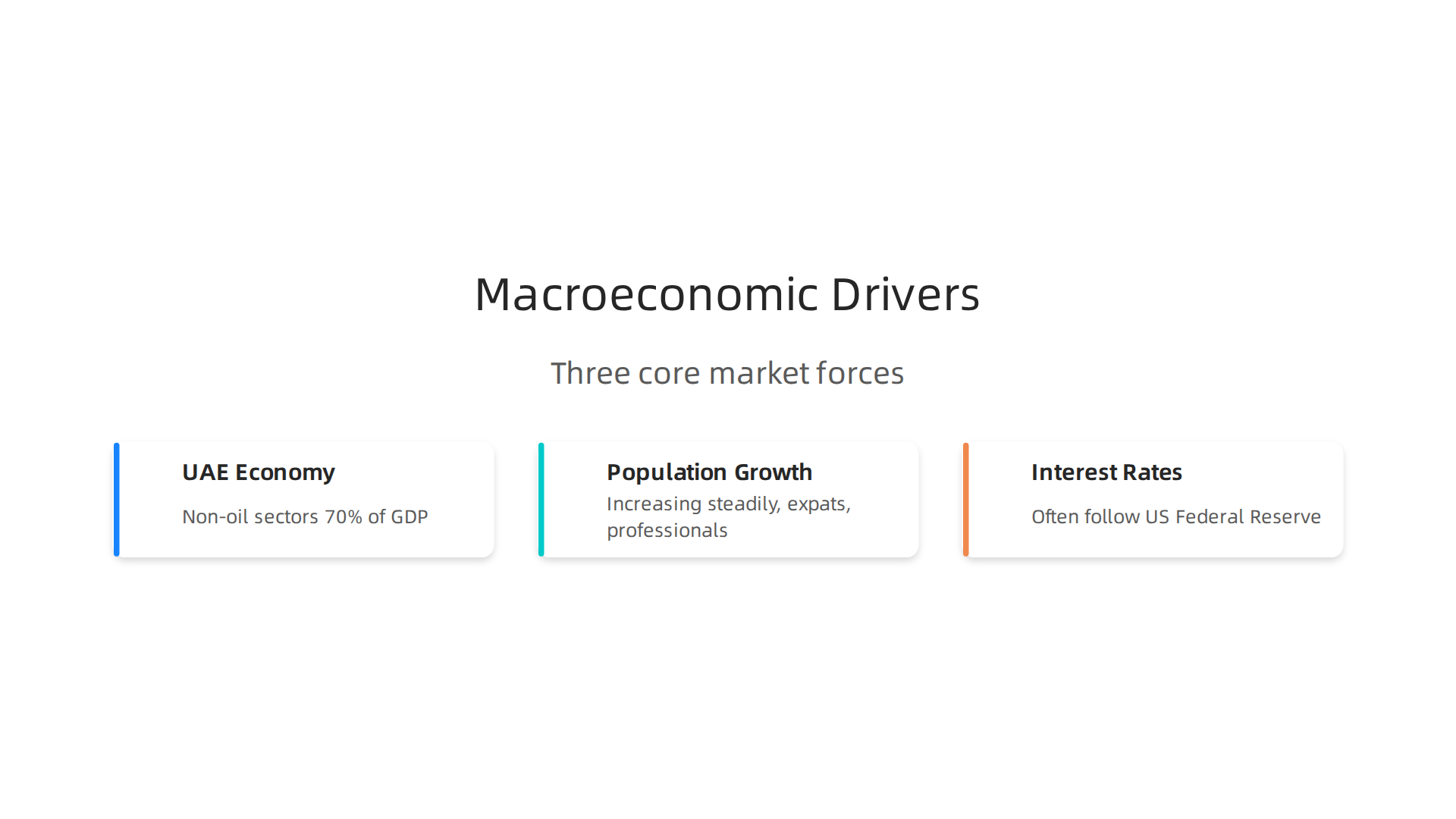
First, the UAE economy keeps growing even with global uncertainty. Non-oil sectors now make up over 70% of GDP, according to the BTI Transformation Index country report for the UAE. That shift away from relying solely on oil revenues makes the economy more stable. When oil prices swing, the non-oil sectors like financial services, construction, and tourism keep things moving. Real GDP growth hit 5.6% in 2025 and is projected to stay near that level in 2026, driven mainly by these non-hydrocarbon industries. A stronger economy naturally supports property demand because people feel more confident about jobs and income.
Second, more people are moving to the UAE. Population growth drives housing demand in a simple way: every new resident needs a place to live. The UAE’s population has been increasing steadily, with expats and professionals from around the world coming for work, lifestyle, and safety. Urbanization is especially strong in Dubai, where new communities and infrastructure keep expanding. This constant inflow of people supports both rental demand and buyer activity across different Emirates.
Third, interest rates and inflation shape what buyers can afford. The UAE dirham is pegged to the US dollar, so its interest rates often follow the US Federal Reserve. In 2025 and into 2026, rates have stayed relatively high compared to a few years ago. Higher rates mean higher mortgage costs, which can slow down price growth. At the same time, inflation in the UAE has remained low around 1.3%, which helps keep everyday costs stable. But when borrowing is more expensive, some buyers pause or shift their strategy. For real estate investors in Dubai, understanding this balance is key to timing your move right.
All three drivers oil diversification, population growth, and interest rate trends are working together to create a more selective market. The days of easy gains are over. But the fundamentals of the UAE real estate market remain solid for those who pay attention to these macroeconomic signals.
If you want to dive deeper into how these factors affect specific property choices, check out our guide on best returns on investments Dubai 2026 property guide for data-backed insights.
Supply and Demand Dynamics: Residential vs. Commercial
The macroeconomic forces we just covered set the stage, but the real action for real estate investors in Dubai plays out in the tug of war between supply and demand. In 2026, the new project pipeline tells a clear story. Residential supply is ramping up fast, especially in suburban communities like Dubai South and Al Furjan. Developers are launching more off-plan projects to meet buyer appetite. On the commercial side, supply has tightened in prime areas like Dubai International Financial Centre (DIFC) and Sheikh Zayed Road. Office vacancy rates have dropped below 10% in Grade A spaces, pushing rents higher.
Absorption rates are the real signal of market health. In residential, premium locations like Palm Jumeirah and Dubai Hills Estate are absorbing new units within weeks. But in some mid-market areas, slower absorption suggests buyers are getting picky. Vacancy levels in Dubai’s residential market stayed below 8% in early 2026, according to industry reports. That is a healthy number. For commercial real estate, the shift is even sharper. Companies expanding in the UAE are competing for limited quality office stock, which drives up rental yields for landlords.
Price trends confirm where demand concentrates. In Dubai Marina, average sale prices per square foot rose about 7% year over year in Q1 2026, reflecting strong demand for waterfront living. Downtown Dubai saw more modest growth around 4%, as supply of new apartments increased. Abu Dhabi Corniche remains stable, with prices holding firm but not spiking. For real estate investors Dubai, these patterns matter. The gap between prime and secondary locations is widening.
The broader UAE real estate market is not one size fits all. Whether you are targeting high-end residential or commercial space, you need local data to decide. For a deeper look at how these trends affect buying decisions, check out our Dubai Property Market 2026 Data-Driven Guide for Investors and Buyers.
The UAE’s strong economic momentum, highlighted in the Quarterly Economic Review March 2026, continues to support demand across both segments. But with supply growing, choosing the right location and property type is more important than ever.
If you are buying, selling, or investing in Dubai and want personalized guidance, connect with Ayaz Salman for a FREE Dubai Real Estate Consultation.
Key Regulations and Legal Framework for Property Buyers
Before you sign any contract, you need to understand how the rules protect your investment.
One of the first things to learn is the difference between freehold and leasehold zones. In Dubai, foreigners can buy property outright in designated freehold areas like Dubai Marina, Palm Jumeirah, and Downtown. In leasehold zones, you get long-term rights usually up to 99 years, but you do not own the land itself. Knowing which zone your target property sits in can save you legal headaches later.
Recent reforms have made the UAE real estate market even more welcoming to international buyers. The government now allows 100 percent foreign ownership of companies and property in most sectors. Visa reforms, including the 10-year Golden Visa for property investors, have removed many barriers. If you invest in a property worth at least AED 2 million, you can qualify for long-term residency. That changes the game for serious investors.
The Dubai Land Department (DLD) and its regulatory arm RERA enforce strict rules to protect buyers. RERA requires all developers to register off-plan projects and open a dedicated escrow account. The developer can only access that money as construction hits milestones. This rule stops funds from being misused and reduces project delays. RERA also enforces a standard sales agreement so buyers get fair treatment.
In 2026, important legal updates came into effect. The new Civil Code extends the defect claims period from 6 months to 1 year. Developers can also retain ownership until full payment is received, and deferred payment plans are now expressly validated by law. These changes offer more clarity for both sides. For a full breakdown of what shifted, check out this summary of UAE real estate sale rights changes for 2026.
Before you buy, take one smart step: verify that the developer and broker are properly registered with DLD. A quick check on the DLD website or through RERA’s systems can confirm a project’s approval status. Our guide on how to verify real estate companies in Dubai for safe property deals walks you through the process step by step.
The legal framework in Dubai is one of the best-regulated in the world for property investors. Once you understand freehold rights, visa options, and RERA protections, you can move forward with confidence.
Buying, selling, or investing in Dubai? Connect with Ayaz Salman for a FREE Dubai Real Estate Consultation.
Investment Performance: Yields, Capital Appreciation, and ROIs
Now that you understand the legal setup, let’s talk about what really matters for your bottom line: returns.

Dubai continues to offer some of the most attractive rental yields of any major city in the world. In 2026, the average gross rental yield in the UAE real estate market sits around 5 to 7 percent, with certain communities doing much better.
For example, areas like Al Furjan deliver studio yields above 8.5 percent, according to this analysis of best rental yields in Dubai 2026. Downtown Dubai and Jumeirah Village Circle also offer strong numbers, with one-bedroom flats yielding around 6.25 percent and some communities hitting 8 percent or more. These returns are significantly higher than what you would see in London, Paris, or Singapore.
But rental yield is only half the picture. Capital appreciation varies a lot by community and property type. Established areas like Dubai Marina and Palm Jumeirah usually see steady, moderate price growth. Emerging communities like Dubai South and Dubai Creek Harbour have shown faster appreciation as new infrastructure comes online. Off-plan investments can offer bigger gains if you buy early, but also carry more risk. You might lock in a lower price today, but delays or market shifts could eat into your returns.
To see which neighbourhoods are delivering the best returns right now, check out our detailed guide on best returns on investments in Dubai 2026. It breaks down yields, appreciation trends, and off-plan opportunities so you can match your strategy to the right area.
The key takeaway? The UAE real estate market gives you options. Whether you chase high rental income or long-term price growth, there is an area and property type that fits your goals. Just remember that higher potential returns usually come with higher risk. Do your homework, compare communities, and talk to someone who knows the market inside out.
Off-Plan Property Market: Opportunities and Risks
Off-plan properties make up a big chunk of Dubai property transactions. In fact, buying a home before it is built is one of the most popular ways to invest in the UAE real estate market. Why? Because developers often offer flexible payment plans that let you pay in stages as construction moves forward. That means you do not need to hand over all the cash at once. For many real estate investors in Dubai, that is a huge advantage.
But off-plan investing is not without its risks.
The biggest one is simple: will the developer finish the project on time? Completion rates and delivery timelines really matter for your return on investment. If a project gets delayed, your money is tied up longer than expected. If it gets cancelled, you could face losses. That is why you must check the developer’s track record before signing anything.
The good news is that Dubai has strong rules to protect buyers. The Real Estate Regulatory Agency (RERA) makes sure every off-plan project is registered with the Dubai Land Department. Developers must also open a special escrow account for each project. This means your money is held safely and only released as construction reaches certain milestones. To learn more about these protections, read this guide to RERA’s role in Dubai’s real estate market.
Another big plus is that off-plan prices are usually lower than ready properties. If you get in early, you could see strong capital appreciation by the time the building is finished. But remember: higher potential returns come with more risk. Always do your homework on the neighbourhood, the developer, and the payment plan.
For a deeper look at which off-plan communities offer the best potential in 2026, check out our guide on best ROI investments in Dubai 2026 off-plan rentals and luxury properties. It covers specific projects and areas worth watching.
If you are thinking about buying off-plan and want personalized help, you can get a FREE Dubai Real Estate Consultation. Ayaz Salman knows the market inside out and can guide you through the process step by step.
Megaprojects and Technological Innovation
While buying off-plan is one path into the market, the bigger shift in the uae real estate market in 2026 comes from the giant projects and new technology changing how people live and invest. Think of it like this: the skyline itself is being redesigned.
Projects like Dubai Creek Tower, Expo City, and the Museum of the Future are not just cool landmarks. They actually drive up property values in surrounding areas.

For example, after a three year pause, Emaar is about to issue a tender for the newly redesigned Dubai Creek Tower. That news alone raises interest in properties near Dubai Creek Harbour. As this article on the Top 8 Iconic Mega Projects in Dubai & UAE (2026) explains, these developments are carefully planned to boost connectivity, tourism, and long term growth. They are not random; they are part of the Dubai 2040 Urban Master Plan.
But it is not just about concrete and steel. Technology, often called proptech, is making real estate investing in Dubai smarter. New tools help you analyze market data, predict rental yields, and manage properties from your phone. That means you do not have to guess. You can see which areas have the best property investment in Dubai based on real numbers, not hype.
Smart city initiatives are also pushing demand for sustainable and connected communities. That means more green spaces, better public transport links, and homes designed to use less energy. For real estate investors Dubai, this is a huge opportunity. Properties in these tech forward neighbourhoods tend to attract higher paying tenants and hold their value better.
If you want to dig deeper into how these trends affect prices and demand, check out this data driven guide for investors and buyers. It breaks down the numbers behind every major shift happening now.
The Role of Expatriates and Foreign Investors
If you are looking to buy or rent property in Dubai, chances are you are not a UAE national. And you are not alone. Expatriates and foreign investors make up the huge majority of the real estate market. In fact, out of the total population of about 10.7 million, only 1.5 million are citizens. That is a key fact from the UAE country report 2026. This huge expat population drives most of the demand for housing, both rentals and sales.
The UAE government has made it easy for foreigners to invest. Programs like the Golden Visa and long-term residency options have removed many old barriers. Now you can buy property, get a visa, and even live here full time without citizenship. That has brought in a wave of international money.
Who is buying? Nationality data shows that investors come from all over the world. Buyers from India, the United Kingdom, Russia, China, and Europe are especially active. This mix keeps the market steady because no single country can swing it too much.
But with big opportunity comes some risk. If you are new to the process, it is smart to learn the local rules first. One good way to start is by reading up on UAE property purchase red flags so you do not make costly mistakes.
Whether you are moving here for work or investing from abroad, the uae real estate market is built for people like you. The demand keeps growing, and the incentives keep coming. If you want personalized help finding the right property or investment strategy, you can book a FREE Dubai Real Estate Consultation with an expert who knows the market inside out.
Financing Options and Mortgage Trends in the UAE
If you are thinking about buying property in Dubai, the good news is that financing has become more affordable in 2026. Mortgage rates have come down compared to previous years, making monthly payments more manageable. That is a big deal for expats and foreign investors looking to enter the uae real estate market.
Banks in the UAE now offer competitive rates, especially for those with a solid credit history. For expats, the typical loan-to-value (LTV) ratio is up to 75% for properties under 5 million AED. For UAE nationals, it can go as high as 80%. That means you need a down payment of 20% to 25% of the property price, plus some fees. The down payment requirement is something every buyer should plan for early.
Another big trend is developer financing. More developers are offering deferred payment plans, where you pay a small deposit now and spread the rest over the construction period or even after handover. These plans make off-plan buying much more accessible. And they are now backed by law. The new civil code has expressly validated deferred payment structures, giving buyers extra confidence. You can read more about the legal changes that support these plans in the UAE real estate sale rights overview.
Off-plan buyers also get strong protection through escrow accounts. Your money goes into a project-specific account, and the developer can only access it as construction progresses. That reduces risk significantly.
For a complete picture of how financing options fit into the bigger strategy for buying in Dubai, take a look at this data-driven property market guide for investors. It covers everything from mortgage eligibility to choosing the right payment plan.
The bottom line: the uae real estate market is designed to welcome investors with flexible financing. Whether you are buying with cash or a mortgage, there is a path that works for you.
Smart buyers in the UAE real estate market are no longer just looking at location and price. In 2026, sustainability is quickly becoming a deciding factor.
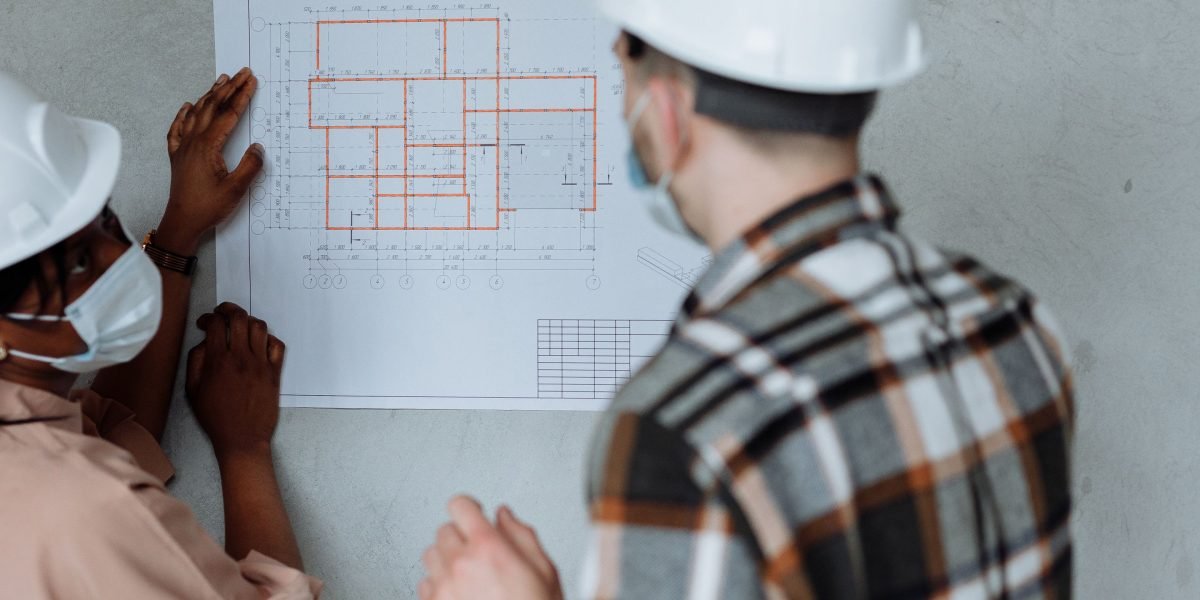
More and more tenants and investors want homes that are energy efficient, environmentally friendly, and future-proof.
Green building certifications such as LEED and Estidama have become real market differentiators. Buildings with these labels often command higher rents and sell faster because people know they will save on utility bills. For investors, that translates to better long-term returns. Many new projects in Dubai now advertise their green credentials as a core selling point.
Tenant preferences have shifted noticeably over the last few years. People want smart home features like automated lighting, efficient air conditioning, and solar panels. They also care about water conservation and waste reduction. A property that checks these boxes stands out in a crowded rental market.
Top developers are responding by integrating renewable energy and smart technologies into their designs. Some are installing rooftop solar panels, while others use advanced building materials that keep interiors cooler. These upgrades not only attract environmentally conscious buyers but also increase property value over time.
If you are looking to invest in the UAE real estate market with sustainability in mind, having the right guidance can make a big difference. For a personalized walk through green investment options, get your FREE Dubai Real Estate Consultation with Ayaz Salman. He can help you find properties that align with both your values and your financial goals.
For more on how these trends fit into a broader investment plan, check out this long-term real estate investment in Dubai strategy guide. It covers everything from choosing the right community to maximizing returns while supporting a greener future.
How to Use This Data: A Practical Guide for Investors
All the numbers, project timelines, and green certifications can feel overwhelming. But here is how to turn that information into smart moves in the UAE real estate market.
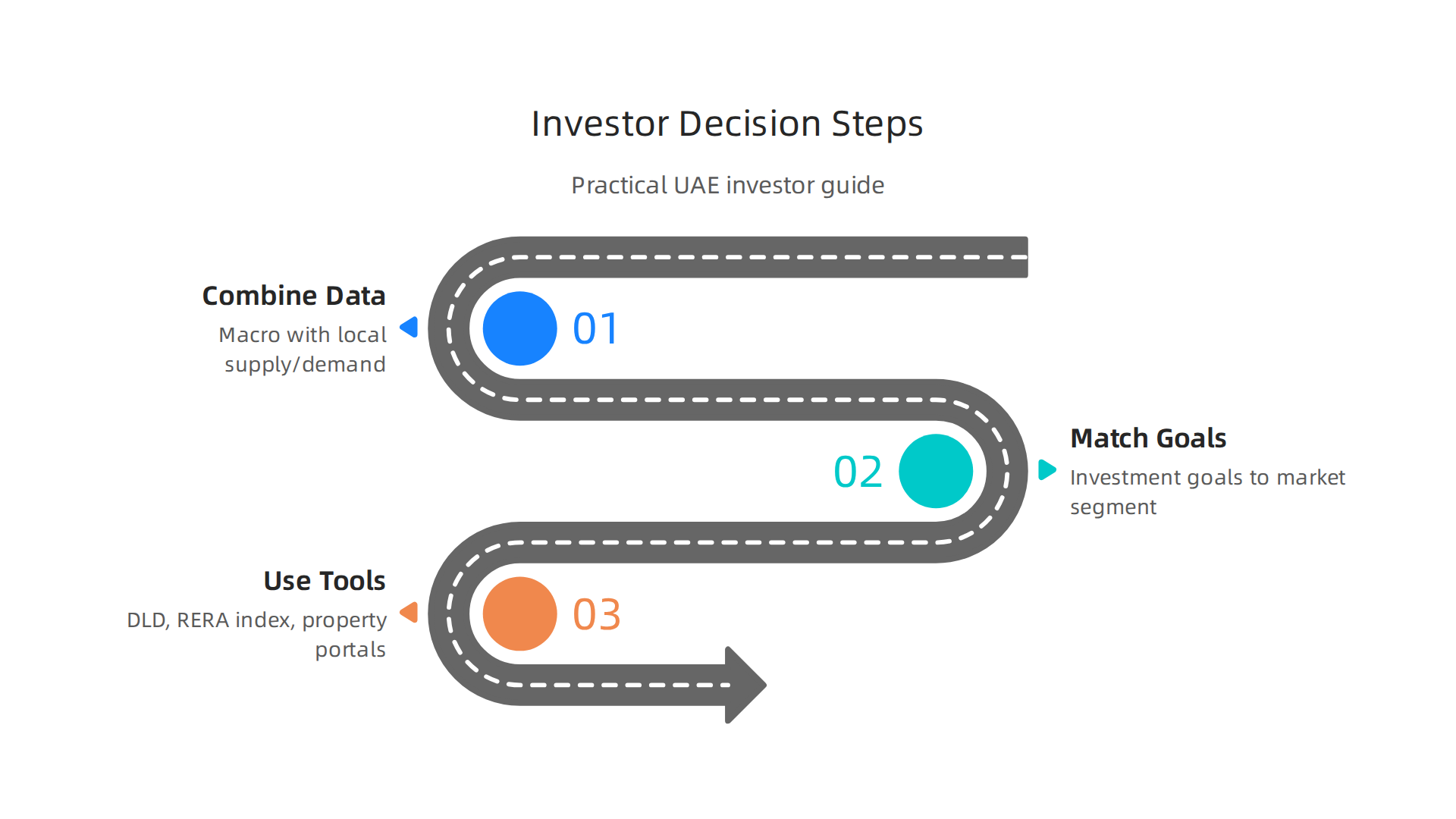
Start by combining macro-level data with local supply and demand. Look at the big picture first. Infrastructure projects like new metro lines, airports, and waterfront developments tell you where future demand will grow. The Dubai mega projects infrastructure timeline from Engel & Völkers shows exactly which areas are set to boom over the next few years. When you connect that with current rental yields and vacancy rates, you get a clear read on where to put your money.
Next, match your personal investment goals to the right market segment. Are you after short-term rental income or long-term capital appreciation? Off-plan properties in emerging communities near new metro stations offer one kind of return. Ready villas in established green-certified neighborhoods offer another. Build a simple decision framework based on your timeline, risk tolerance, and budget. Many successful real estate investors Dubai trust use exactly this kind of filter.
Finally, use the tools available to you. The Dubai Land Department’s RERA index lets you check the actual sales prices and rental ranges for any area. Property portals give you real-time listings and transaction history. Pulling data from multiple sources helps you avoid overpaying. For a deeper walkthrough of exactly how to analyze the numbers, read this data-driven guide to the Dubai property market. It breaks down the specific metrics and sources you need.
The smartest investors do not guess. They combine infrastructure data, goal-based filtering, and verified sales records to make confident decisions.
Summary
This guide gives a data-driven snapshot of the UAE and Dubai real estate market in 2026, showing why the market has moved from broad rapid growth to a more selective, opportunity-driven phase. It explains the macro drivers—economic diversification, rising population, and interest-rate dynamics—that underpin demand, and contrasts residential and commercial supply trends, absorption rates, and neighbourhood performance. The article also covers the legal framework buyers must know (freehold vs leasehold, RERA protections, escrow accounts, and recent civil-code updates), financing norms and LTVs for expats, and where investors can still find strong yields and capital appreciation. You’ll learn practical steps to evaluate off-plan projects, check developers, weigh risks versus returns, and use infrastructure and proptech data to make smarter investment choices.